







As urban populations continue to rise, traditional farming methods struggle to meet the increasing demand for fresh produce. This is where vertical farming technology comes into play. By utilizing innovative agricultural practices, vertical farming offers a sustainable solution that maximizes space and resources, making it a compelling option for city dwellers and farmers alike.
Understanding Vertical Farming
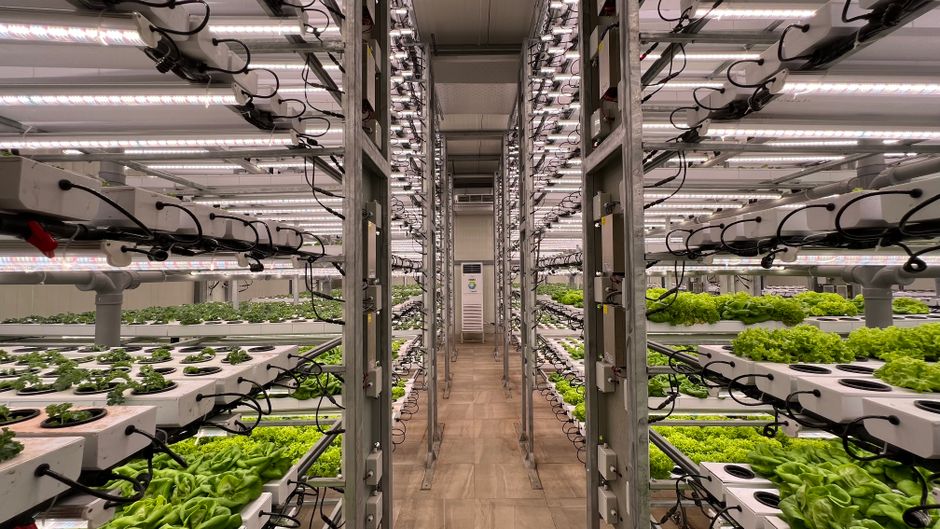
Vertical farming refers to the practice of growing crops in stacked layers, often integrated into structures such as skyscrapers or repurposed warehouses. This method allows for the cultivation of food in controlled environments, reducing the need for arable land. According to a study by the Association for Vertical Farming, this technique can produce 240 times more food per square foot compared to traditional farming.
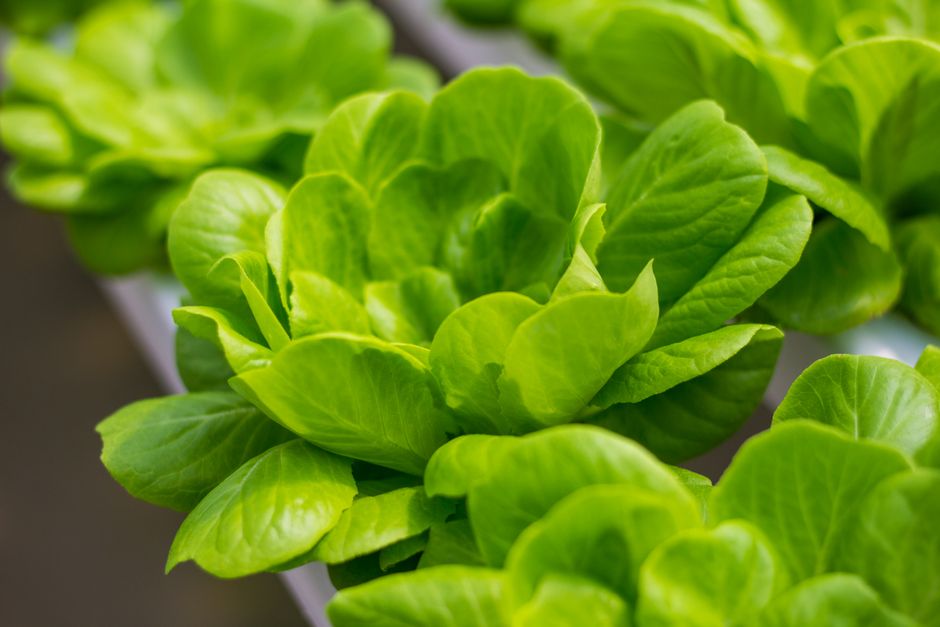
The technology behind vertical farming often includes hydroponics, aeroponics, and aquaponics, which utilize nutrient-rich water solutions rather than soil. This not only conserves water but also decreases the potential for pests and diseases, thereby reducing the need for harmful pesticides. Furthermore, advanced lighting systems, such as LED grow lights, optimize plant growth by providing specific wavelengths that enhance photosynthesis.
Technological Innovations Driving Vertical Farming
One of the significant advances in vertical farming technology is the integration of automation and artificial intelligence. These technologies streamline operations, from planting to harvesting, ensuring efficiency and consistency. For example, systems equipped with sensors can monitor plant health and environmental conditions, adjusting factors such as humidity and temperature automatically.
Moreover, the use of data analytics in vertical farms allows operators to optimize yield and minimize waste. By analyzing growth patterns and environmental data, farmers can make informed decisions regarding crop rotation and resource allocation, further enhancing productivity.
To illustrate, the company AeroFarms, a leader in vertical farming, utilizes a proprietary technology that allows them to grow leafy greens in a fully controlled indoor environment, using 95% less water than field farming. This model not only conserves resources but also delivers fresh produce directly to urban markets.
The Economic Viability of Vertical Farming
While the initial investment in vertical farming can be substantial, the long-term benefits are compelling. Vertical farms can operate year-round, independent of weather conditions, providing a consistent supply of produce. This reliability can lead to higher profit margins for farmers, especially in urban areas where fresh food is in high demand.
Furthermore, vertical farms can significantly reduce transportation costs and emissions since they are often located within or near urban centers. According to the Food and Agriculture Organization (FAO), food transport accounts for approximately 11% of global greenhouse gas emissions. By growing food locally, vertical farming contributes to a more sustainable food system.
Additionally, the rising consumer interest in locally-sourced organic produce makes vertical farming an attractive business model. Many vertical farms have seen success by marketing their products directly to consumers through subscription models or local farmers’ markets.
Challenges Facing Vertical Farming
Despite its many advantages, vertical farming technology faces several challenges that must be addressed. The high energy consumption associated with advanced lighting and climate control systems can lead to increased operational costs. As the industry evolves, finding renewable energy solutions becomes crucial for long-term sustainability.
Moreover, the market for vertical farming is still relatively nascent, and consumer acceptance is an ongoing challenge. Educating consumers about the benefits of vertically farmed produce is essential for fostering acceptance and building a loyal customer base.
In addition, the scalability of vertical farms poses a challenge. While small-scale operations can thrive, scaling up to meet larger demands often requires significant investment and expertise. Collaborations between technology providers and farmers can help bridge this gap, leading to more successful large-scale implementations.
Conclusion: The Future of Vertical Farming
Vertical farming technology represents a transformative approach to agriculture, particularly in urban environments where space and resources are limited. By leveraging advanced technologies and sustainable practices, vertical farms can provide fresh produce while minimizing environmental impact.
As the industry continues to grow, it is essential to address the challenges it faces, ensuring that vertical farming can become a viable solution for future food security. With ongoing innovation and consumer support, vertical farming has the potential to revolutionize the way we think about food production in our cities. For those interested in exploring the latest advancements in this field, vertical farming technology offers a wealth of information and insights.