










The importance of irrigation systems in modern agriculture cannot be overstated. With the increasing global population and the consequent demand for food, efficient and sustainable irrigation methods have become imperative. This article explores various irrigation systems, their benefits, and their role in enhancing agricultural productivity while conserving water resources.
Understanding Irrigation Systems
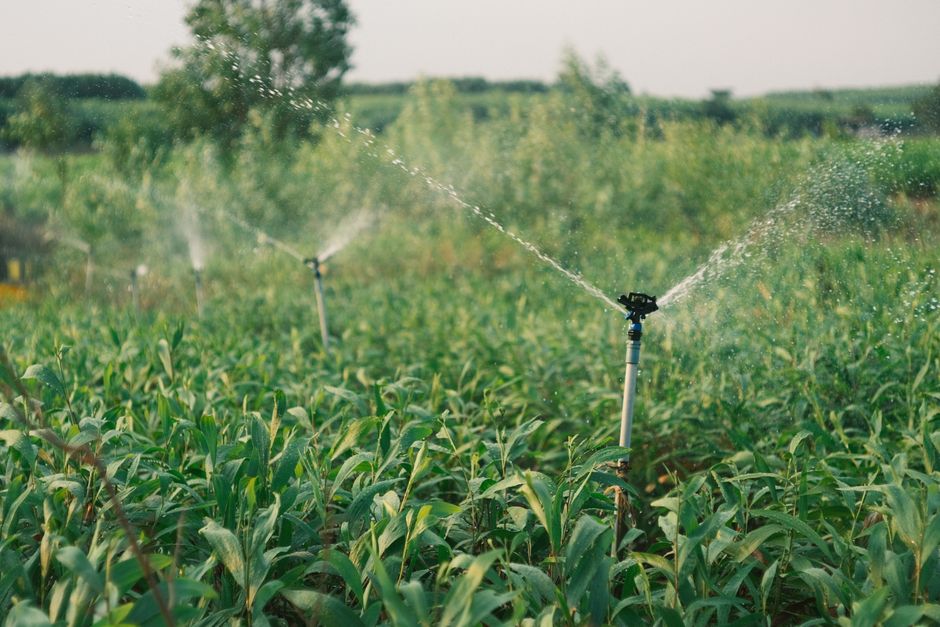
Irrigation systems are essential for providing water to crops at necessary intervals, especially in regions with inconsistent rainfall. The primary purpose of these systems is to ensure that crops receive the adequate amount of moisture needed for optimal growth. Traditional methods such as flood and furrow irrigation have their limitations, particularly in water wastage and uneven distribution.
Modern irrigation systems have evolved significantly, incorporating technology that maximizes efficiency. Drip irrigation, for instance, delivers water directly to the roots of plants, minimizing evaporation and runoff. Such methods not only conserve water but also promote healthier plant growth.
According to research, implementing efficient irrigation systems can reduce water usage by up to 50% compared to traditional methods. This is crucial in arid regions where water scarcity is a significant challenge. The adoption of these systems is not just beneficial for farmers but also vital for the environment.
Types of Irrigation Systems
There are several types of irrigation systems, each with its unique advantages and applications. Among the most popular are drip irrigation, sprinkler systems, and surface irrigation.
Drip irrigation involves a network of tubing and emitters that deliver water directly to the plant roots. This method is ideal for high-value crops and is particularly effective in dry climates. It reduces water wastage and encourages deep root growth, making crops more resilient to drought.
Sprinkler systems, on the other hand, simulate rainfall by spraying water over the crops. They are versatile and can be used in various agricultural settings. However, they may lead to water loss through evaporation, especially in hot weather. Proper timing and management are essential to maximize their efficiency.
Surface irrigation, which includes methods like furrow and basin irrigation, remains popular in many parts of the world. It is often less expensive to implement but can lead to uneven water distribution and higher runoff rates if not managed correctly.
Benefits of Advanced Irrigation Systems
Implementing advanced irrigation systems offers numerous benefits that contribute to sustainable agricultural practices. One of the most significant advantages is the conservation of water resources. Efficient systems like drip irrigation can significantly lower water consumption, which is critical in regions facing water shortages.
Additionally, these systems enhance crop yields. By providing a consistent water supply, farmers can ensure that their crops receive the nutrients they need throughout their growth cycle. Research indicates that farms using modern irrigation techniques can see yield increases of 20-40% compared to those relying on traditional methods.
Sustainability is another key factor. Modern irrigation systems often incorporate renewable energy sources, such as solar power, to operate pumps and control systems. This reduces the carbon footprint of agricultural operations and promotes a more sustainable approach to farming.
Challenges in Implementing Irrigation Systems
Despite the benefits, there are challenges associated with implementing modern irrigation systems. The initial cost can be a significant barrier for many farmers, especially in developing regions. While the long-term savings in water and increased yields can offset these costs, the upfront investment can be daunting.
Additionally, there is a need for proper training and education on system management. Farmers must understand how to operate and maintain these systems to ensure optimal performance. Without adequate knowledge, even the best systems can fail to deliver the desired results.
Environmental concerns also arise, particularly with surface irrigation systems that can lead to soil erosion and nutrient runoff. It is crucial to adopt best practices to mitigate these impacts and ensure that irrigation methods do not harm the surrounding ecosystem.
Future Trends in Irrigation Technology
The future of irrigation technology looks promising, with ongoing innovations aimed at enhancing efficiency and sustainability. Smart irrigation systems, which utilize sensors and data analytics, are gaining popularity. These systems monitor soil moisture levels and weather conditions, allowing for precise water application.
Moreover, the integration of artificial intelligence and machine learning is revolutionizing irrigation management. By analyzing vast amounts of data, these technologies can optimize irrigation schedules and reduce water waste.
Furthermore, the use of remote sensing technology is becoming more common. Drones equipped with imaging technology can assess crop health and water needs, enabling farmers to make informed decisions about irrigation practices.
In conclusion, the integration of advanced irrigation systems is crucial for sustainable agriculture. As the global population continues to grow, the demand for efficient farming practices will only increase. By adopting modern irrigation techniques, farmers can enhance productivity, conserve water, and contribute to environmental sustainability. For more information about the latest advancements in irrigation systems, you can visit this link: irrigation system.