










Organic farming has gained immense popularity in recent years, driven by rising consumer demand for sustainably produced food and a growing awareness of the environmental impacts of conventional agriculture. For those looking to dive into organic farming, understanding the essential supplies needed for success is crucial. From soil health to pest management, this article will explore the various organic farming supplies that can help cultivate a thriving organic farm.
The Importance of Quality Soil
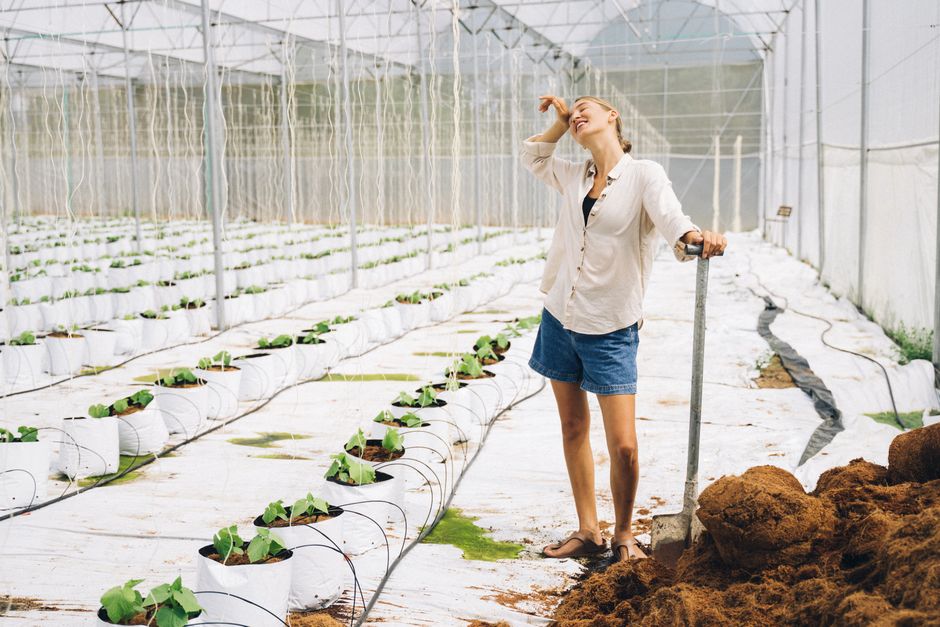
Soil is the foundation of any successful farm. In organic farming, maintaining healthy soil is paramount. This can be achieved by using organic fertilizers, compost, and mulch. Organic fertilizers, made from natural materials, help improve soil fertility without the harmful effects of synthetic chemicals. Compost, which can be made from kitchen scraps and yard waste, enriches the soil with nutrients and beneficial microorganisms. Moreover, mulch helps retain moisture and suppresses weeds.
In addition to these options, many organic farmers utilize cover crops to enhance soil structure and prevent erosion. These crops are planted in the off-season and can be tilled back into the soil, adding organic matter and nutrients. Investing in quality soil supplies, such as organic compost or soil amendments, is essential for a productive organic farming operation.
Pest and Disease Management
Managing pests and diseases organically can be challenging but is crucial for maintaining the health of crops. Organic farming supplies for pest management include natural pesticides, traps, and beneficial insects like ladybugs and lacewings. Natural pesticides, derived from plant extracts or minerals, can effectively control pest populations without harming the environment.
Farmers can also utilize integrated pest management (IPM) strategies, combining various methods to keep pest populations under control. For example, rotating crops and planting pest-resistant varieties can reduce the likelihood of infestations. Proper sanitation practices, such as removing debris and diseased plants, also play a vital role in disease management.
Water Management and Irrigation Supplies
Water is an essential resource for organic farming, and effective irrigation systems are necessary to ensure crops receive the right amount of moisture. Drip irrigation and soaker hoses are popular choices among organic farmers, as they deliver water directly to the plant roots while minimizing waste.
In addition to irrigation systems, farmers can invest in rainwater harvesting supplies to collect and store rainwater for irrigation purposes. This not only conserves water but also reduces reliance on municipal water sources. Implementing sustainable water management practices is vital for the longevity of any organic farming operation.
Seeds and Planting Supplies
Choosing the right seeds is crucial for successful organic farming. Organic seeds, which are grown without synthetic fertilizers or pesticides, are often preferred. Farmers should look for suppliers that offer a wide variety of organic seeds, including heirloom and non-GMO options.
In addition to seeds, planting supplies like seed trays, biodegradable pots, and soil blocks are essential for starting seedlings. These supplies facilitate the early growth stages of plants, ensuring they are healthy and ready for transplanting into the field. When sourcing organic farming supplies, it is important to consider the quality and sustainability of the products.
Harvesting and Post-Harvest Supplies
Once crops are ready for harvest, having the right tools and supplies is crucial. Harvesting tools like hand tools, scissors, and specialized harvesting equipment can make the process more efficient. Additionally, proper post-harvest handling supplies, such as bins and packaging materials, help maintain the quality of produce and reduce waste.
Organic farmers should also consider storage solutions that minimize spoilage and extend shelf life. For instance, temperature-controlled storage facilities can significantly reduce the risk of crop loss due to spoilage. Investing in quality harvesting and post-harvest supplies is essential for maximizing profitability in organic farming.
Conclusion
Starting an organic farm requires careful planning and the right supplies. From soil health to pest management, each element plays a vital role in the success of an organic farming operation. By investing in high-quality organic farming supplies, farmers can cultivate healthy crops and contribute to a more sustainable food system. As the demand for organic products continues to rise, the importance of these supplies will only grow, making it an exciting time to be involved in organic agriculture.