










Terraces have become increasingly popular in urban areas, offering a unique blend of outdoor living and personal retreat within the confines of a bustling city. Whether you have a small balcony or a spacious rooftop, transforming your terrace into an inviting space requires thoughtful planning and creativity. In this article, we will explore various aspects of terrace design, from practical considerations to aesthetic enhancements, ensuring you create the perfect outdoor oasis.
Understanding the Basics of Terrace Design
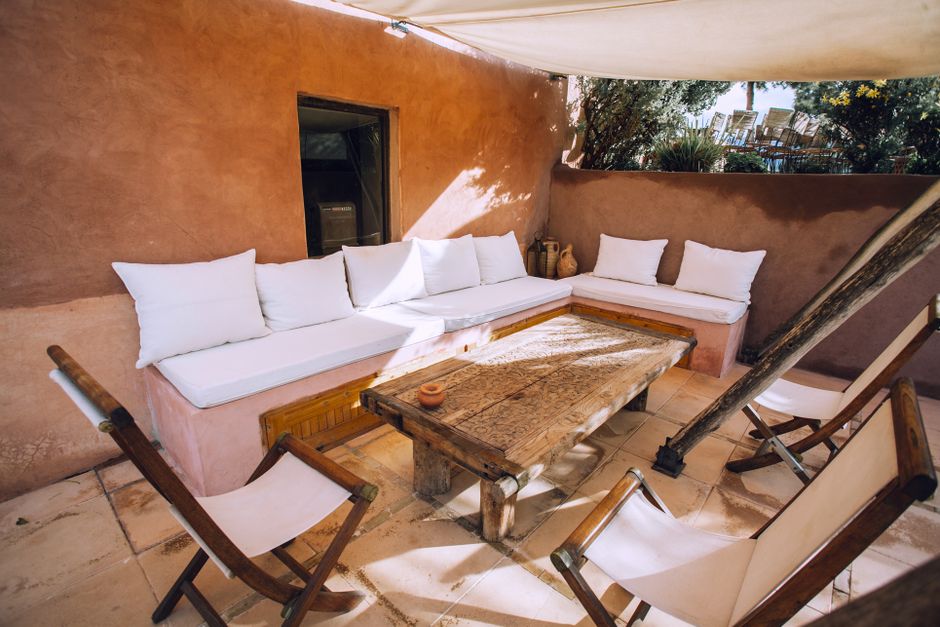
Before diving into the details, it’s important to understand the fundamentals of terrace design. A terrace is essentially an outdoor platform that can be attached to a building, providing a space for relaxation, entertainment, and gardening. The design should reflect your personal style while also considering the functional aspects of the space. Key elements to consider include size, shape, and orientation.
For instance, a south-facing terrace will receive more sunlight throughout the day, making it ideal for sunbathing and growing plants. Conversely, a north-facing terrace may require additional lighting and heating solutions. Additionally, the size of your terrace will dictate the type of furniture and accessories that can be incorporated into the design.
Moreover, the materials used in the construction of the terrace can significantly impact its functionality and aesthetics. Common materials include wood, concrete, and composite decking, each offering unique benefits and drawbacks. Understanding these materials will help in making informed decisions that align with your vision.
Incorporating Greenery into Your Terrace
One of the most appealing aspects of terrace living is the opportunity to create a green sanctuary. Plants not only enhance the visual appeal of your terrace but also contribute to improved air quality and provide a calming atmosphere. When selecting plants, consider factors such as climate, sunlight exposure, and maintenance requirements.
For instance, if your terrace is exposed to full sun, opt for drought-resistant plants such as succulents or Mediterranean herbs like rosemary and thyme. If you prefer a lush look, consider incorporating climbing plants like jasmine or wisteria, which can add vertical interest and fragrance.
Additionally, using raised planters or vertical gardens can maximize space and create a vibrant backdrop. Incorporating a mix of textures and colors will create a dynamic environment that changes with the seasons, ensuring your terrace remains a delightful place throughout the year.
Choosing the Right Furniture and Accessories
Furniture choice is crucial in creating a functional and inviting terrace. Consider the primary activities you plan to engage in—whether it’s dining, lounging, or entertaining. For dining, a sturdy table and comfortable chairs are essential, while lounging may call for sunbeds or outdoor sofas.
When selecting materials, prioritize durability and weather resistance. Wicker, aluminum, and stainless steel are excellent choices for outdoor furniture, as they withstand the elements while maintaining their aesthetic appeal. To enhance comfort, consider adding cushions and throws that complement your color scheme.
Moreover, accessories such as outdoor rugs, lighting, and decorative items can help define the space and add personality. String lights or lanterns can create a cozy ambiance for evening gatherings, while outdoor art can serve as a focal point.
Creating Privacy and Shelter on Your Terrace
While terraces are great for enjoying the outdoors, privacy can often be a concern, especially in urban environments. To create a more secluded atmosphere, consider incorporating privacy screens or trellises adorned with climbing plants. These structures not only shield you from prying eyes but also enhance the natural beauty of your terrace.
Additionally, installing a pergola or awning can provide shelter from the sun and rain, allowing you to enjoy your terrace year-round. A well-placed Terrassenüberdachungen system can further enhance your terrace experience by providing a comfortable space regardless of the weather.
Moreover, using outdoor curtains can add a touch of elegance while offering flexibility in terms of openness and enclosure. These features work together to create a cozy retreat where you can unwind in peace.
Maximizing Space and Functionality
For those with smaller terraces, maximizing space is essential. Consider multi-functional furniture pieces that can serve dual purposes, such as benches with built-in storage or foldable tables that can be tucked away when not in use. This approach allows you to maintain an open feel while still accommodating your needs.
Additionally, vertical gardening solutions can save floor space while still providing greenery, and wall-mounted planters can add life without encroaching on usable areas. Using lighter colors for furniture and decor can also create an illusion of more space.
Lastly, incorporating a small outdoor kitchen or bar area can elevate your terrace experience, making it a perfect spot for entertaining guests. Even a compact grill or a portable bar cart can transform your outdoor space into a culinary haven.
Conclusion
Designing the perfect terrace is a rewarding endeavor that involves a balance of aesthetics and functionality. By understanding the basics of terrace design, incorporating greenery, selecting appropriate furniture, creating privacy, and maximizing space, you can transform your outdoor area into a stunning retreat. Whether you’re looking to relax alone with a book or host lively gatherings, a well-designed terrace can enhance your lifestyle and provide a unique escape from the hustle and bustle of daily life.