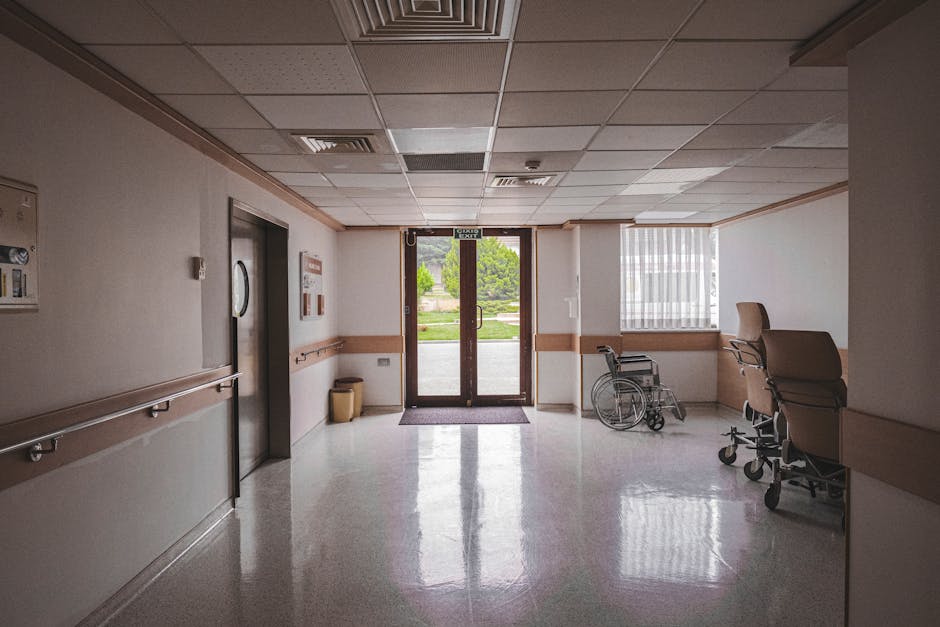










Psychiatric hospitals play a crucial role in the mental health care system, providing specialized treatment for individuals suffering from severe mental illnesses. These facilities are designed to offer a supportive environment where patients can receive comprehensive care tailored to their specific needs. In this article, we will explore the functions, treatment options, and the importance of psychiatric hospitals in today’s healthcare landscape.
What is a Psychiatric Hospital?

A psychiatric hospital, also known as a mental health facility, is a specialized institution that focuses on the diagnosis, treatment, and management of mental disorders. Unlike general hospitals, psychiatric hospitals are equipped with trained professionals who specialize in mental health, including psychiatrists, psychologists, psychiatric nurses, and social workers. These hospitals provide a safe space for individuals experiencing acute psychiatric symptoms, allowing them to receive intensive care and support.
Patients in psychiatric hospitals may experience a range of conditions, including depression, anxiety disorders, schizophrenia, bipolar disorder, and more. The primary goal of these hospitals is to stabilize patients through various therapeutic interventions and support systems.
Treatment Approaches in Psychiatric Hospitals
Psychiatric hospitals utilize a variety of treatment methods tailored to the needs of their patients. Common approaches include medication management, psychotherapy, and various forms of group therapy. Medications such as antidepressants, antipsychotics, and mood stabilizers may be prescribed to help manage symptoms. However, medication is often combined with psychotherapy to address underlying issues and improve coping mechanisms.
One of the key therapeutic approaches used in psychiatric hospitals is Cognitive Behavioral Therapy (CBT). This evidence-based therapy helps patients identify and change negative thought patterns and behaviors. Additionally, group therapy sessions provide patients with the opportunity to share experiences and learn from one another in a supportive environment.
Family involvement is also encouraged, as it plays a significant role in the recovery process. Family therapy sessions can help improve communication and understanding between patients and their loved ones, fostering a more supportive home environment post-discharge.
The Importance of Psychiatric Hospitals
Psychiatric hospitals serve a vital function in the mental health care system. They provide a structured environment where individuals can receive specialized care when they need it the most. For many patients, these facilities offer a pathway to recovery and a chance to regain control over their lives.
According to the National Institute of Mental Health, approximately 1 in 5 adults in the U.S. experience mental illness in a given year. With such a significant portion of the population affected, the demand for psychiatric services continues to grow. Psychiatric hospitals help meet this demand by offering comprehensive treatment options that address the complexities of mental health disorders.
Moreover, these facilities are equipped to handle crisis situations, providing immediate support for individuals who may be a danger to themselves or others. The ability to stabilize patients in a controlled environment is crucial in preventing further deterioration of their mental health.
Challenges Faced by Psychiatric Hospitals
Despite their importance, psychiatric hospitals face several challenges. One major issue is the stigma surrounding mental illness, which can deter individuals from seeking help. Many people still view psychiatric treatment as a last resort, leading to delayed care and worsening symptoms.
Another challenge is the shortage of mental health professionals, which can result in long wait times for patients seeking admission. This shortage is further compounded by funding issues and the need for more comprehensive mental health policies.
To address these challenges, there is a growing movement towards integrating mental health care into primary health services. This approach aims to provide accessible and holistic care to individuals, reducing the reliance on psychiatric hospitals for treatment.
The Future of Psychiatric Hospitals
Looking ahead, psychiatric hospitals are evolving to meet the changing needs of society. Innovations in treatment, such as telepsychiatry, allow for remote consultations, increasing access to care for individuals in underserved areas. Additionally, there is a greater emphasis on patient-centered care, focusing on the unique needs and preferences of each individual.
Furthermore, many psychiatric hospitals are adopting more holistic approaches that incorporate wellness practices such as mindfulness, yoga, and art therapy. These complementary therapies can enhance traditional treatments and promote overall well-being.
As society continues to prioritize mental health, psychiatric hospitals will play a crucial role in shaping the future of mental health care. By providing specialized treatment and reducing stigma, these institutions can help individuals on their journey to recovery.
Conclusion
Psychiatric hospitals are essential components of the mental health care system, providing specialized treatment and support for individuals facing severe mental health challenges. Through a combination of medication, therapy, and family involvement, these facilities aim to stabilize patients and promote recovery. While they face challenges such as stigma and shortages of professionals, the future of psychiatric hospitals looks promising with advancements in treatment and a growing emphasis on holistic care. It is crucial for society to recognize the importance of mental health and the role that psychiatric hospitals play in fostering recovery and well-being.
For those seeking psychiatric care, exploring options such as Psychiatry dubai can provide valuable insights and access to necessary resources.