










Sheet metal fabrication is a crucial process in manufacturing that involves the transformation of flat metal sheets into a variety of shapes and structures. This technique is widely used across various industries, from automotive to aerospace, due to its versatility and efficiency. Understanding the fundamentals of sheet metal fabrication can provide insights into its applications and benefits, making it an essential topic for anyone involved in manufacturing or engineering.
Understanding Sheet Metal Fabrication
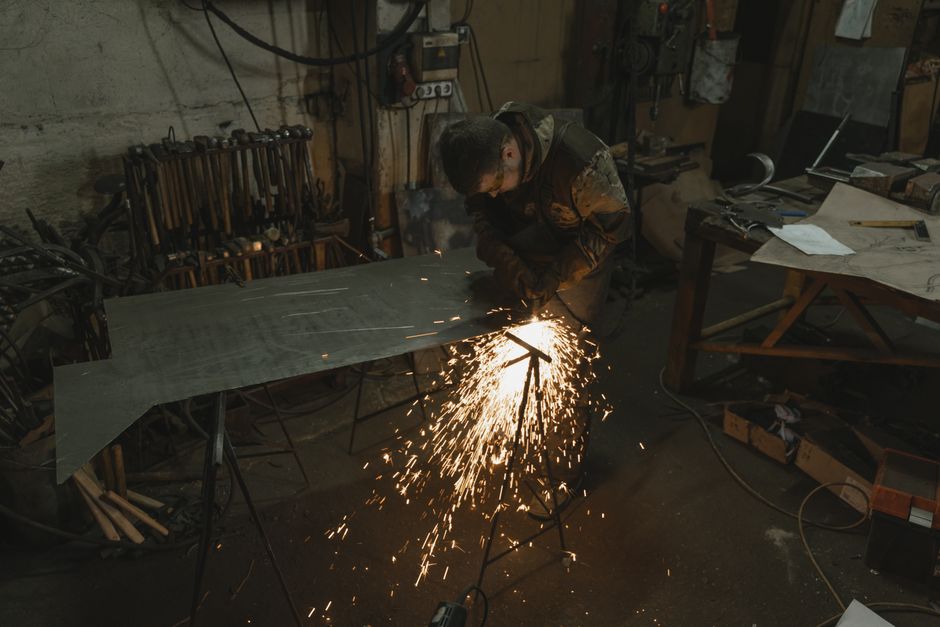
At its core, sheet metal fabrication encompasses several processes that include cutting, bending, and assembling metal sheets. The materials commonly used in this process include aluminum, steel, and copper, each selected based on the specific requirements of the project. The fabrication process can be highly automated, allowing for precision and efficiency in production.
One of the critical components of successful sheet metal fabrication is the design phase. Advanced software tools, such as CAD (Computer-Aided Design), enable engineers to create detailed models of the desired end product. This digital representation not only streamlines the fabrication process but also helps in identifying potential issues before physical production begins.
Moreover, the use of CNC (Computer Numerical Control) machines in sheet metal fabrication has revolutionized the industry. These machines can execute complex designs with high precision, reducing waste and improving overall efficiency. As a result, businesses can achieve faster turnaround times, which is crucial in today’s competitive market.
The Processes Involved in Sheet Metal Fabrication
The sheet metal fabrication process typically involves several key steps: cutting, bending, punching, and welding. Each of these processes plays a vital role in shaping the final product.
Cutting is often the first step, where large sheets of metal are cut into smaller pieces based on the design specifications. This can be accomplished through various methods, including laser cutting, waterjet cutting, or traditional shearing. Each method has its advantages, with laser cutting being favored for its precision and ability to handle intricate designs.
Following cutting, bending is performed to create angles and curves in the metal sheets. This process is crucial for achieving the desired shape and is typically done using press brakes or other bending machines. The precision in bending affects the overall quality of the finished product, making skilled operators essential in this phase.
Applications of Sheet Metal Fabrication
Sheet metal fabrication is utilized in numerous industries, showcasing its versatility. In the automotive sector, for example, it is used to produce body panels, brackets, and other components that require strength and durability.
The aerospace industry also relies heavily on sheet metal fabrication for components such as fuselages and wings. The lightweight nature of sheet metal, combined with its strength, makes it an ideal choice for aircraft design. Additionally, the ability to fabricate complex shapes allows for innovative designs that enhance aerodynamics.
Furthermore, the construction industry employs sheet metal fabrication for HVAC systems, roofing, and structural components. The ability to customize metal sheets to fit specific architectural designs makes it an invaluable resource for builders and architects.
Benefits of Sheet Metal Fabrication
The advantages of sheet metal fabrication are numerous. First and foremost, the process allows for high levels of customization, meaning that businesses can create products tailored to their specific needs. This flexibility is particularly beneficial in industries where unique designs are a requirement.
Additionally, sheet metal fabrication is cost-effective, especially when mass production is involved. The automation of processes like cutting and bending significantly reduces labor costs and allows for faster production times. This efficiency can lead to lower prices for consumers while maintaining quality.
Moreover, the strength-to-weight ratio of sheet metal makes it a preferred material for many applications. Products made from sheet metal often exhibit durability and longevity, which are essential factors for consumers looking for reliable solutions.
Future Trends in Sheet Metal Fabrication
As technology continues to advance, the future of sheet metal fabrication looks promising. Innovations such as 3D printing and advanced robotics are beginning to play a role in traditional fabrication processes. These technologies can further enhance precision and reduce waste, aligning with the growing demand for sustainable manufacturing practices.
Moreover, the integration of artificial intelligence (AI) in manufacturing can optimize production schedules and improve quality control. By analyzing data from various fabrication processes, AI can identify inefficiencies and suggest improvements, leading to better outcomes for businesses.
In conclusion, the field of sheet metal fabrication is evolving rapidly, driven by technological advancements and changing market demands. Understanding this process, its applications, and its benefits is essential for anyone looking to succeed in the manufacturing landscape. For those interested in learning more about the intricacies of this field, resources such as sheet metal fabrication can provide valuable insights and knowledge.