










In recent years, the manufacturing sector has witnessed a paradigm shift with the advent of industrial automation. This transformation is not merely a trend but a revolution that is fundamentally changing how businesses operate. As industries increasingly turn to automation solutions, the role of industrial automation suppliers has become more crucial than ever.
Understanding Industrial Automation
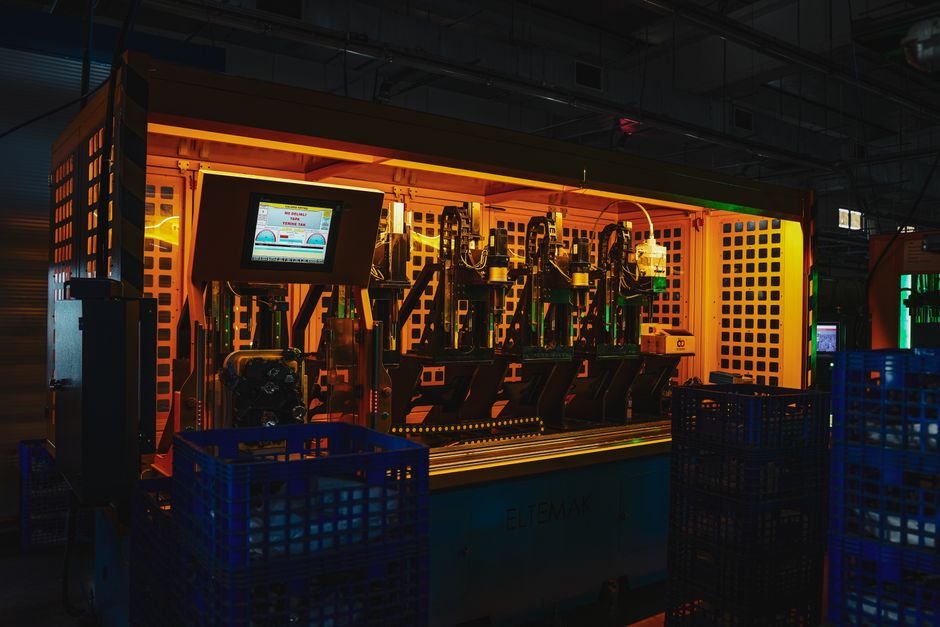
Industrial automation refers to the use of control systems such as computers or robots for handling different processes and machinery in an industry to replace human intervention. With the integration of advanced technologies, including the Internet of Things (IoT), artificial intelligence (AI), and machine learning, automation is enhancing productivity and efficiency across various sectors.
According to a report by the International Federation of Robotics, the global industrial robot sales reached 422,000 units in 2018 alone, showcasing a 6% increase compared to the previous year. This statistic underscores the growing reliance on automation within the manufacturing landscape.
The shift towards automation is driven by several factors, including the need for increased productivity, improved quality, and reduced operational costs. As companies strive to remain competitive, the demand for reliable industrial automation suppliers continues to surge.
The Role of Industrial Automation Suppliers
Industrial automation suppliers play a pivotal role in facilitating the transition to automated systems. They provide everything from machinery and software to consulting services that help businesses implement automation strategies effectively. These suppliers not only deliver products but also offer essential support, including training and maintenance, ensuring that clients can fully leverage their automated systems.
One prominent example of a leading supplier in the field is industrial automation supplier, which offers a comprehensive range of automation solutions tailored to meet the diverse needs of different industries. Their expertise ensures that businesses can optimize their operations and achieve significant returns on investment.
Benefits of Partnering with Automation Suppliers
Partnering with industrial automation suppliers can yield numerous benefits for businesses. Firstly, these suppliers bring specialized knowledge and experience that can help organizations navigate the complexities of automation. They can provide insights into the best practices and technologies suited to specific operational requirements.
Secondly, working with automation suppliers allows companies to access cutting-edge technologies that they might not be able to develop in-house. This access can lead to innovations that enhance product quality and reduce time-to-market.
Moreover, automation suppliers often offer scalability in their solutions, enabling businesses to expand their automation efforts as they grow. This flexibility is crucial in today’s rapidly changing market environment, where agility can determine a company’s success.
Challenges in Industrial Automation
Despite the numerous advantages, implementing industrial automation is not without its challenges. One significant hurdle is the initial investment required for automation equipment and systems. Many businesses, especially small and medium enterprises, may struggle to secure the necessary capital for such investments.
Additionally, there may be resistance to change within organizations. Employees may fear job losses or feel overwhelmed by new technologies. It is essential for companies to address these concerns through effective change management strategies and training programs.
Lastly, the rapid pace of technological advancements means that businesses must continually adapt to stay ahead. This ongoing evolution can pose a challenge, as companies need to invest in regular updates and training to keep their systems relevant and efficient.
The Future of Industrial Automation
Looking ahead, the future of industrial automation appears bright. The ongoing advancements in AI and machine learning are set to further revolutionize the industry, enabling even greater levels of efficiency and productivity. As these technologies evolve, so too will the capabilities of industrial automation suppliers, allowing them to offer even more sophisticated solutions.
Furthermore, the rise of Industry 4.0, characterized by the fusion of digital and physical systems, is likely to drive the demand for automation suppliers even higher. Companies will increasingly seek partners that can provide integrated solutions that encompass not only machinery but also data analytics and advanced software.
In conclusion, as industries continue to embrace automation, the role of industrial automation suppliers will become increasingly vital. Their expertise will help businesses navigate the complexities and challenges of automation, ensuring that the benefits far outweigh the risks. For companies looking to stay competitive in a rapidly changing landscape, forging strong partnerships with industrial automation suppliers is not just advisable; it is essential.
Conclusion
The landscape of manufacturing is evolving, and industrial automation is at the forefront of this change. As the demand for automation solutions grows, so does the importance of reliable suppliers in this arena. By partnering with experienced industrial automation suppliers, businesses can harness the power of automation to drive efficiency, reduce costs, and ultimately achieve success in an increasingly competitive market.