










In recent years, 3D printing has emerged as a transformative technology that is reshaping various industries, from manufacturing to healthcare. The ability to create complex geometries and customized products on demand has made 3D printing services increasingly popular among businesses and individuals alike. This article delves into the various aspects of 3D printing services, exploring their applications, benefits, and the future of this fascinating technology.
Understanding 3D Printing Technology
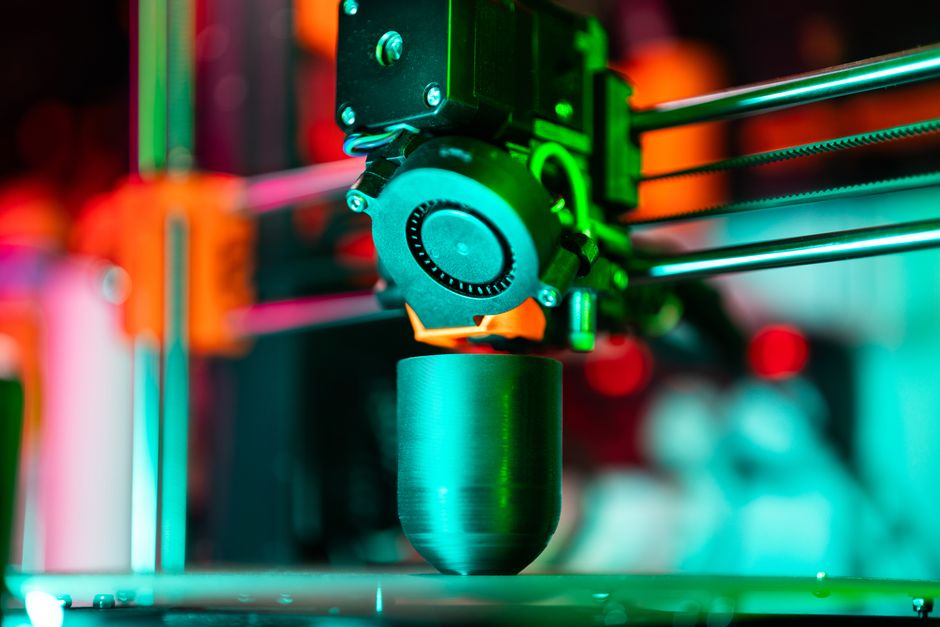
3D printing, also known as additive manufacturing, involves creating three-dimensional objects layer by layer from a digital file. The process begins with a 3D model, which can be designed using computer-aided design (CAD) software. Once the model is ready, a 3D printer uses materials such as plastic, metal, or resin to build the object layer by layer. This technology has evolved significantly since its inception, with advancements leading to faster printing speeds, higher precision, and a wider range of materials.
According to a report by Wohlers Associates, the 3D printing industry is projected to reach a market size of $34.8 billion by 2024, reflecting the increasing adoption of this technology across various sectors. As more companies recognize the potential of 3D printing, the demand for reliable 3D printing service providers continues to grow.
Applications of 3D Printing Services
The versatility of 3D printing allows it to be utilized in numerous fields. In the manufacturing sector, companies are leveraging 3D printing for rapid prototyping, enabling them to create and test product designs quickly and cost-effectively. This has significantly reduced the time-to-market for new products, giving businesses a competitive edge.
In healthcare, 3D printing is revolutionizing the way medical devices, prosthetics, and even tissue structures are created. Custom prosthetics tailored to fit individual patients can be produced quickly, improving patient outcomes. Furthermore, the ability to print complex biological structures holds the promise of advancing regenerative medicine.
Benefits of Utilizing 3D Printing Services
One of the key advantages of 3D printing services is the reduction in material waste. Traditional manufacturing processes often involve cutting away material from a solid block, leading to significant waste. In contrast, 3D printing adds material only where needed, making it a more sustainable option.
Additionally, 3D printing allows for greater design freedom. Complex shapes and intricate designs that would be impossible or costly to achieve with traditional methods can be easily printed. This capability fosters innovation and creativity, encouraging designers to push the boundaries of their ideas.
Challenges Faced by 3D Printing Services
Despite its many benefits, the adoption of 3D printing services is not without challenges. One significant hurdle is the intellectual property concerns surrounding 3D printed designs. As the technology becomes more accessible, the risk of unauthorized reproduction of patented designs increases.
Moreover, the cost of high-quality 3D printers and materials can be prohibitive for small businesses looking to enter the market. While prices have decreased over the years, investing in advanced 3D printing technology remains a significant financial commitment.
The Future of 3D Printing Services
The future of 3D printing services looks promising, with ongoing research and development paving the way for new applications and improvements. As technology advances, we can expect to see the emergence of new materials that expand the capabilities of 3D printing even further.
Moreover, the integration of artificial intelligence and machine learning into 3D printing processes is expected to streamline operations and enhance production efficiency. These advancements will likely make 3D printing services more accessible and affordable, further driving their adoption across various industries.
Conclusion
In conclusion, 3D printing services represent a significant leap forward in manufacturing and design. With its ability to reduce waste, enable rapid prototyping, and offer unparalleled design flexibility, the technology is set to revolutionize how products are created. As the market for 3D printing continues to expand, businesses and individuals alike stand to benefit from the numerous advantages this innovative technology offers.