









In the modern industrial landscape, metal fabrication shops play a crucial role in the manufacturing process. These facilities are dedicated to the creation of metal structures and components, which are vital in various industries, from construction to automotive. This article delves into the significance of metal fabrication shops, the processes involved, and the key considerations for businesses looking to partner with such facilities.
Understanding Metal Fabrication
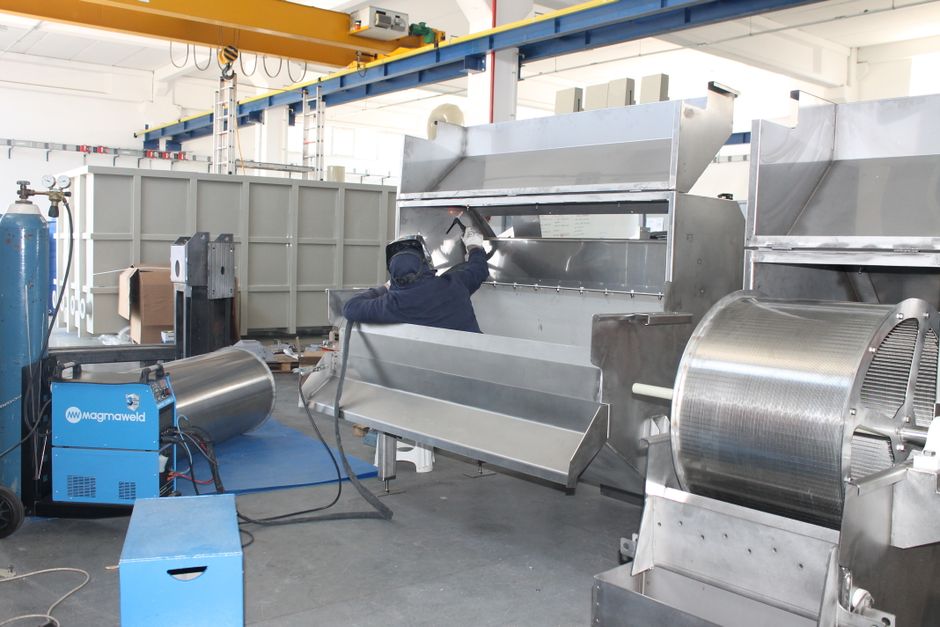
Metal fabrication is the process of transforming raw metal into finished products through various methods. This involves cutting, bending, assembling, and welding metal parts to create structures or components that meet specific requirements. Metal fabrication shops utilize advanced machinery and skilled labor to ensure precision and quality in their output.
The importance of metal fabrication cannot be overstated. According to industry reports, the global metal fabrication market is expected to reach over $20 billion by 2026, driven by increasing demand in sectors such as construction, aerospace, and automotive. As these industries expand, so does the need for high-quality fabrication services.
One of the primary advantages of working with a specialized metal fabrication shop is the expertise they bring to the table. These facilities often have years of experience and a deep understanding of different metals and fabrication techniques, enabling them to produce products that meet stringent industry standards.
Common Processes in Metal Fabrication
Metal fabrication encompasses a variety of processes, each tailored to the specific needs of a project. Some of the most common processes include:
- Cutting: This is the initial step in fabrication, which involves slicing metal sheets or bars into desired shapes using tools like lasers, plasma cutters, or saws.
- Bending: After cutting, metal pieces may need to be bent to fit specific designs. This can be achieved through methods such as press braking or roll bending.
- Welding: Joining multiple metal parts is crucial in creating larger structures. Welding techniques vary, but they all aim to create a strong bond between pieces.
- Assembly: Finally, the fabricated components are assembled into finished products, which may involve additional processes like sanding or painting for a polished look.
By understanding these processes, businesses can better communicate their needs and expectations with fabrication shops, ensuring a smoother collaboration.
Choosing the Right Metal Fabrication Shop
When selecting a metal fabrication shop, several factors should be considered to ensure the best fit for your project:
- Expertise: Look for shops that specialize in the type of metal and processes relevant to your project. Their expertise can significantly impact the quality of the final product.
- Equipment: The technology and machinery used in a shop can affect turnaround times and quality. Ensure the shop is equipped with modern tools and equipment to handle your requirements.
- Reputation: Research the shop’s track record by reading reviews or asking for references. A reputable shop will have a history of delivering quality work on time.
- Cost: While budget is an important consideration, it should not be the only factor. Balance cost with quality to ensure you receive the best value for your investment.
By carefully evaluating these factors, businesses can find a fabrication partner that aligns with their project goals and budget.
Future Trends in Metal Fabrication
The metal fabrication industry is constantly evolving, driven by advancements in technology and changes in market demand. Some trends to watch include:
- Automation: The integration of automation and robotics in fabrication processes is increasing efficiency and reducing labor costs, allowing shops to meet rising demand.
- 3D Printing: Additive manufacturing is making its mark in metal fabrication, enabling the production of complex geometries that were previously challenging to achieve.
- Sustainability: As industries become more environmentally conscious, metal fabrication shops are adopting eco-friendly practices, such as recycling scrap metal and using sustainable materials.
Staying abreast of these trends can help businesses anticipate changes in the market and adapt their strategies accordingly.
Conclusion
Metal fabrication shops are integral to modern manufacturing, providing essential services that support various industries. By understanding the processes involved, choosing the right fabrication partner, and keeping an eye on industry trends, businesses can ensure successful outcomes for their projects. Whether you are developing a new product or enhancing an existing one, partnering with a skilled metal fabrication shop can make all the difference in achieving high-quality results.