










The kitchen is often considered the heart of the home, a place where families gather and memories are made. However, over time, even the most charming kitchens can start to feel outdated or inefficient. Whether you are looking to enhance functionality, improve aesthetics, or increase your home’s value, a kitchen remodeling project can be a rewarding endeavor. In this guide, we will explore the essential considerations, trends, and steps involved in a successful kitchen remodel.
Understanding Your Needs and Goals
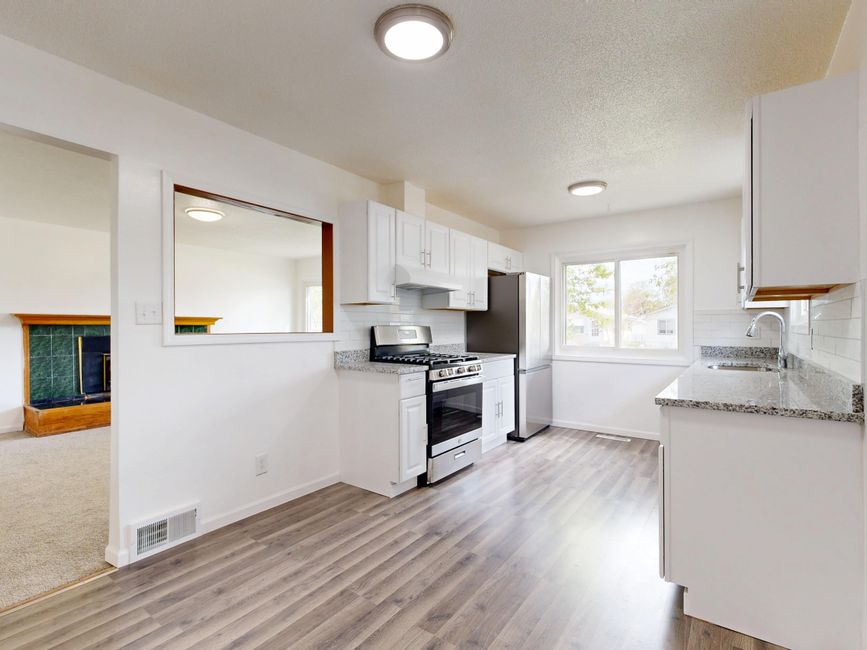
Before diving into a kitchen remodeling project, it’s crucial to understand what you want to achieve. Are you looking to create a more open space, add modern appliances, or simply refresh the existing design? Identifying your needs will help streamline the planning process.
One effective approach is to make a list of your priorities. For instance, if you frequently cook for large gatherings, prioritizing a spacious layout with ample counter space may be essential. Alternatively, if you enjoy entertaining, incorporating an island with seating could significantly enhance your kitchen’s functionality.
Consider also your lifestyle and how your kitchen fits into it. Families with young children may require different features than those of empty nesters. Think about how the space can cater to your daily routines while reflecting your personal style.
Budgeting and Financing Your Remodel
Setting a realistic budget is one of the most critical steps in the kitchen remodeling process. The costs can vary widely based on the scope of your project, materials selected, and whether you are hiring professionals or doing some of the work yourself. On average, a kitchen remodel can range from $12,000 to $35,000, depending on the size and complexity of the project.
To create a budget, start by determining your overall financial limits. Next, allocate funds for different aspects of the project, such as cabinets, countertops, appliances, and labor. It’s wise to include a contingency fund of around 10-15% for unexpected expenses that may arise during the remodeling process.
Consider financing options if your budget doesn’t cover the entire project. Home equity loans, personal loans, or credit cards can provide the necessary funds, but be sure to evaluate the terms and interest rates carefully.
Choosing the Right Design and Layout
The design and layout of your kitchen can significantly affect its functionality and aesthetic appeal. Popular kitchen layouts include U-shaped, L-shaped, and galley designs, each offering unique benefits. For instance, U-shaped kitchens provide ample workspace and storage, while L-shaped layouts can create an open feel in smaller spaces.
While selecting your design, consider the current trends in kitchen remodeling. Open-concept designs that integrate the kitchen with living spaces are increasingly popular, as they promote a sense of togetherness. Additionally, incorporating natural light through larger windows or skylights can enhance the ambiance of the kitchen.
Don’t forget about the importance of color and materials. Neutral tones are versatile and timeless, while bold colors can make a statement. Choosing durable materials for countertops and flooring, such as quartz or hardwood, can ensure longevity and ease of maintenance.
Implementing Sustainable Practices
As sustainability becomes a priority for many homeowners, integrating eco-friendly practices into your kitchen remodeling project is more important than ever. From energy-efficient appliances to sustainable materials, there are numerous ways to make your kitchen more environmentally friendly.
Consider opting for Energy Star-rated appliances, which consume less energy and water while providing the same performance. Additionally, using reclaimed or sustainably sourced materials can reduce your kitchen’s environmental impact.
Incorporating features such as a composting system or recycling station can also promote sustainable practices in your home. By thinking ahead, you can create a kitchen that is not only stylish and functional but also environmentally responsible.
Hiring Professionals vs. DIY
Deciding whether to hire professionals or tackle the remodel yourself can be a daunting choice. If you have experience in home improvement and the necessary skills, a DIY approach can save you money. However, kitchen remodeling often involves complex tasks such as plumbing and electrical work, which may require professional expertise.
If you choose to hire professionals, it’s essential to do thorough research. Look for licensed contractors with solid reviews and a portfolio of previous work. Obtain multiple quotes and ensure that you understand the scope of work and timeline before signing any contracts.
For those who prefer a hybrid approach, consider handling simpler tasks yourself, such as painting or installing hardware, while leaving more complex aspects to the professionals. This can help reduce costs while still allowing you to put your personal touch on the remodel.
Conclusion
Kitchen remodeling is a significant investment that can enhance both the functionality and aesthetic appeal of your home. By understanding your needs, setting a budget, choosing the right design, and considering sustainable practices, you can transform your kitchen into a space that meets your lifestyle and reflects your personal style. Whether you decide to take the DIY route or hire professionals, careful planning and attention to detail will ensure a successful remodel. For inspiration and ideas, explore resources that specialize in kitchen remodeling to spark your creativity and guide your project.