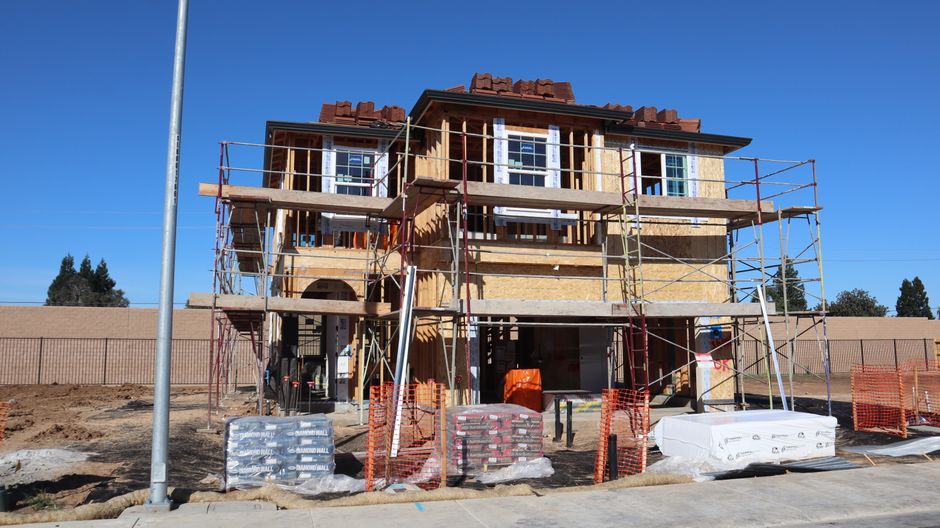


Buying your first home is a milestone that comes with a unique mix of excitement and anxiety. For many, it represents a significant financial commitment and a step towards independence. However, navigating the real estate market can be overwhelming, especially for first time home buyers who may not know where to start. This guide aims to provide valuable insights and practical tips to help you make informed decisions throughout the home buying process.
Understanding the Home Buying Process

The home buying process begins long before you set foot in a property. It starts with understanding your financial situation, including your credit score, savings, and budget. Many first time home buyers underestimate the importance of getting pre-approved for a mortgage. Pre-approval not only gives you a clear idea of how much you can afford but also strengthens your position when making an offer.
According to a recent survey, around 70% of first-time buyers secured pre-approval before house hunting. This step can save you time and stress, ensuring you’re looking at homes within your budget. Additionally, it can help you avoid the disappointment of falling in love with a property that’s out of your financial reach.
Once you’re pre-approved, you can start researching neighborhoods that fit your lifestyle and budget. Factors to consider include proximity to work, schools, amenities, and safety. Make a list of your must-haves and deal-breakers to streamline your search.
Working with Real Estate Professionals
Engaging a real estate agent can be a game-changer for first time home buyers. A knowledgeable agent can guide you through the complexities of the market, provide insights on property values, and help you navigate negotiation processes. They often have access to listings before they hit the market, giving you a competitive edge.
When selecting an agent, look for someone who specializes in working with first time home buyers. They will understand your unique needs and concerns. Additionally, don’t hesitate to ask for references or read online reviews to ensure you choose someone reputable.
During the home search, your agent can help you assess properties and suggest potential red flags to watch out for. For example, if you find a home that seems perfect but has a history of flooding, your agent can guide you on how to proceed or if it’s worth pursuing.
The Importance of Home Inspections
One of the most critical steps in the buying process is the home inspection. This is particularly vital for first time home buyers who may not be familiar with the structural and mechanical issues that can arise in a home. A comprehensive inspection can uncover problems that may not be visible during a casual walkthrough.
In fact, a study found that about 30% of home buyers discovered issues during inspections that led them to renegotiate their offers or withdraw entirely. Home inspections typically cost between $300 to $500 but can save you thousands in unexpected repairs down the line.
After the inspection, you have the opportunity to discuss the findings with your agent. Depending on the results, you may decide to ask the seller for repairs, a price reduction, or even walk away from the deal if the issues are too significant.
Financing Options for First Time Home Buyers
Financing your first home can be daunting, especially with the variety of mortgage options available. Many first time home buyers may not be aware of special programs designed to make homeownership more accessible. For instance, various state and federal programs offer down payment assistance or favorable loan terms for first time home buyers.
The Federal Housing Administration (FHA) loans are a popular choice, allowing buyers to secure financing with as little as 3.5% down. Additionally, some lenders offer conventional loans with low down payment options. It’s crucial to compare different financing options and understand the long-term implications of each.
Working with a financial advisor or mortgage broker can help you navigate these options effectively. They can provide personalized recommendations based on your financial situation and goals.
Closing the Deal
Once you’ve found your dream home and secured financing, it’s time to close the deal. The closing process can be complex, involving a lot of paperwork and legalities that may be intimidating for first time home buyers. However, understanding what to expect can alleviate much of the stress.
During closing, you will review and sign various documents, including the mortgage agreement and title transfer. Be prepared for closing costs, which can range from 2% to 5% of the home’s purchase price. It’s advisable to budget for these costs ahead of time to avoid surprises.
Finally, after the paperwork is complete, you will receive the keys to your new home. This moment marks the culmination of your efforts and the beginning of a new chapter in your life.
Conclusion
Becoming a first time home buyer is an exciting journey that requires careful planning and informed decision-making. By understanding the home buying process, working with professionals, prioritizing inspections, exploring financing options, and navigating the closing process, you can set yourself up for success. Remember, patience and diligence are key. Embrace the experience, and soon you will be enjoying the comfort of your very own home. For further insights, you can check out this guide for first time home buyers.