










Barbecue is more than just a cooking method; it is a cultural phenomenon that brings people together. Across the globe, barbecue varies in techniques, flavors, and traditions, making it a fascinating subject for culinary enthusiasts. From the smoky aromas that waft through backyards to the vibrant gatherings centered around the grill, barbecue embodies a spirit of community and celebration. In this article, we will explore the diverse world of barbecue, delving into its history, techniques, regional styles, and tips for mastering the grill.
The Rich History of Barbecue
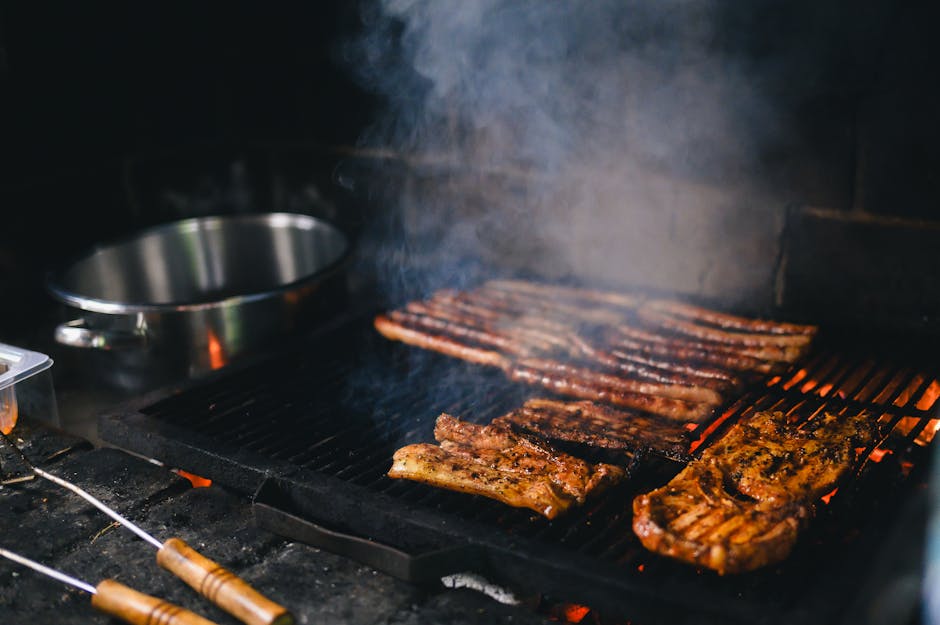
The origins of barbecue can be traced back centuries, with roots in various cultures around the world. The word ‘barbecue’ is believed to have originated from the Taíno people of the Caribbean, who used the term ‘barbacoa’ to describe a method of slow-cooking meat over an open flame. This practice eventually made its way to the Americas, where it evolved into the barbecue we know today.
In the United States, barbecue became a staple in the Southern states, with each region developing its unique style. For example, Texas is famous for its beef brisket, while North Carolina is renowned for its pulled pork. The tradition of barbecue has been passed down through generations, with families often holding onto secret recipes and techniques that make their style unique.
Barbecue is not just about the food; it’s about the experience. Historically, barbecue gatherings have served as important social events, bringing communities together to celebrate milestones and holidays. The communal aspect of barbecue has made it a beloved tradition across various cultures.
Techniques Behind the Perfect Barbecue
Mastering barbecue requires an understanding of various techniques and methods. The two most common cooking styles are direct grilling and indirect smoking. Direct grilling involves cooking meat over direct heat, making it ideal for quick-cooking items like burgers and hot dogs. On the other hand, indirect smoking is a slow-cooking method that infuses meat with rich flavors.
One of the key elements of great barbecue is the use of wood chips or chunks for smoking. Different types of wood, such as hickory, mesquite, and applewood, impart distinct flavors to the meat. For instance, hickory is known for its bold, smoky flavor, while applewood offers a milder, sweeter taste.
Temperature control is also crucial in barbecue. The ideal cooking temperature for most meats is around 225°F to 250°F. Using a reliable meat thermometer can help ensure that the meat is cooked to perfection, enhancing both flavor and tenderness. The process can take several hours, but patience is key to achieving that perfect smoky flavor.
Regional Barbecue Styles Across the United States
Barbecue in the United States is as diverse as its regions, with each area showcasing its own unique flavors and techniques. In the South, you will find styles such as Carolina barbecue, characterized by its vinegar-based sauce, and Memphis barbecue, known for its dry rubs and pulled pork sandwiches.
In Texas, barbecue is often centered around beef, particularly brisket. The meat is typically seasoned with a simple rub and smoked for hours, resulting in a tender, flavorful dish. Meanwhile, Kansas City-style barbecue is known for its thick, sweet sauce and a variety of meats, including ribs and burnt ends.
Each region has its own cultural significance and local traditions surrounding barbecue. For instance, in many Southern states, barbecue is often associated with social gatherings like family reunions and community festivals. This cultural aspect adds another layer of richness to the barbecue experience.
Tips for Hosting the Perfect Barbecue
Hosting a successful barbecue requires careful planning and execution. Start by selecting the right type of meat for your guests. Popular options include ribs, chicken, and sausages. Make sure to marinate or season the meat in advance to enhance its flavor.
When it comes to equipment, a quality grill or smoker is essential. Gas grills offer convenience, while charcoal grills provide a more authentic smoky flavor. If you’re using a smoker, ensure you have enough wood chips to maintain the desired temperature and flavor throughout the cooking process.
Don’t forget about sides and beverages! Classic barbecue sides include coleslaw, baked beans, and cornbread. Pairing your barbecue with refreshing drinks, such as iced tea or beer, can elevate the entire dining experience. Lastly, consider setting up outdoor games or activities to keep guests entertained while the food cooks.
Conclusion: Embracing the Barbecue Culture
Barbecue is a rich tradition that transcends borders and cultures. Whether you are a seasoned pitmaster or a novice grill enthusiast, there is always something new to learn and experience in the world of barbecue. From understanding the different techniques and regional styles to hosting your own barbecue gathering, embracing this culinary art form can lead to memorable moments with friends and family. So, fire up the grill, gather your loved ones, and dive into the delicious world of barbecue. Don’t hesitate to reach out to experts for more tips and advice; you can contact Zeus for more insights on perfecting your barbecue skills.