









In the evolving landscape of music production, the choice between renting a recording studio and setting up a home studio is becoming increasingly relevant. For many musicians, especially those just starting out, a professional recording studio rental can offer the necessary equipment, acoustics, and expertise that a home setup might lack. This article will explore the key factors to consider when renting a recording studio, including cost, equipment, and the overall experience.
Understanding the Costs of Studio Rental
When considering a recording studio rental, it’s essential to understand the associated costs. Prices can vary significantly based on location, studio size, and the amenities offered. On average, hourly rates for professional studios can range anywhere from $50 to $300. Additionally, some studios offer package deals that include mixing and mastering services, which can be more economical for musicians looking for a complete service.
For example, a mid-range studio in a city like Nashville might charge around $100 per hour, while a high-end studio in Los Angeles could demand upwards of $250 per hour. It’s advisable to plan your budget according to the time you expect to spend in the studio and the type of services you require.
Moreover, many studios offer discounts for longer bookings, such as full-day or week-long rentals. This can be particularly beneficial for artists looking to record multiple tracks or entire albums, as it allows for a more cohesive and uninterrupted creative process.
The Importance of Equipment and Technology
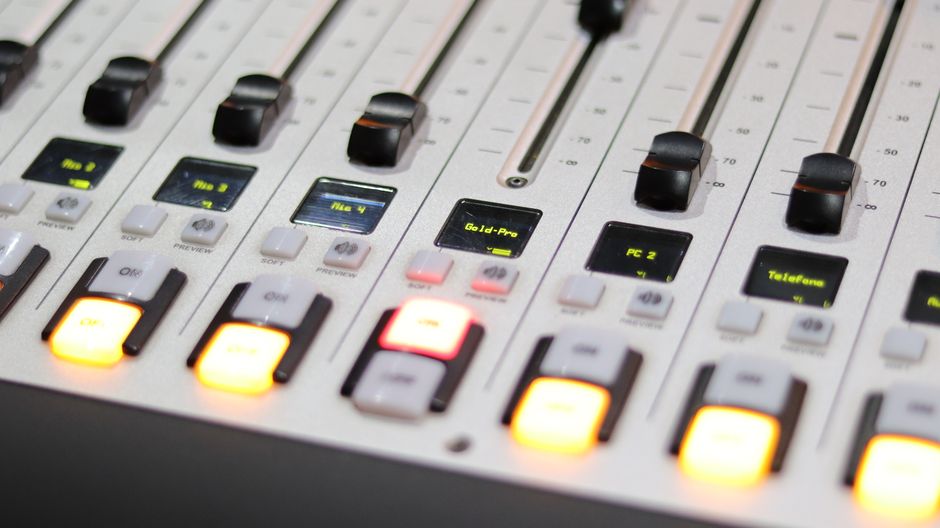
One of the significant advantages of renting a professional studio is access to top-tier equipment and technology. High-quality microphones, mixing consoles, and digital audio workstations (DAWs) can make a substantial difference in the final product. Studios often invest heavily in their gear, which can include vintage analog equipment, modern digital solutions, and a variety of instruments.
For instance, a studio may feature Neumann U87 microphones, renowned for their clarity and warmth, alongside mixing boards like the SSL 4000 series, which are industry standards. This kind of equipment is often unattainable for individual musicians due to high costs, making studio rentals an attractive option.
Additionally, many studios come equipped with an array of plugins and software that are crucial for today’s music production. This ensures that musicians can achieve professional sound quality without the hefty price tag of purchasing all the necessary tools themselves.
Choosing the Right Studio for Your Needs
Not all recording studios are created equal, and choosing the right one can significantly impact your recording experience. Factors such as the studio’s atmosphere, the expertise of the staff, and the specific services offered should all be taken into account. For example, some studios cater specifically to certain genres, such as rock or electronic music, which can influence the sound and style of your recordings.
It’s also essential to consider the studio’s layout and acoustics. A well-designed studio will have soundproofing and acoustic treatment, allowing for a better recording environment. Visiting a studio beforehand, if possible, can provide insight into whether it feels right for your project.
Furthermore, it’s beneficial to check reviews and testimonials from other artists who have rented the space. Personal experiences can give you a clearer picture of what to expect and help you avoid studios that may not meet your standards.
The Recording Process: What to Expect
Once you’ve selected a studio and booked your time, it’s important to understand what the recording process entails. Typically, recording sessions can be divided into several phases: pre-production, tracking, and post-production. Pre-production involves preparation work, such as rehearsals and arrangements, ensuring that everything is ready before the actual recording begins.
During the tracking phase, musicians lay down their parts, whether it be vocals, instruments, or both. This is where the expertise of the studio engineers becomes invaluable. They will guide you through the process, helping to capture the best possible sound. Communication is key during this phase, so don’t hesitate to express your creative vision.
Post-production involves editing and mixing the recorded tracks. Many studios offer these services as part of their rental package, ensuring that your music is polished and ready for distribution. This stage is where the magic happens, turning raw recordings into professional-quality tracks.
Maximizing Your Studio Time
To make the most of your recording studio rental, preparation is crucial. Have a clear plan for your session, including which songs you will record, the specific parts that need attention, and any additional elements you wish to incorporate, such as backing vocals or instrumental solos.
Moreover, it’s advisable to bring a list of references or examples of the sound you’re aiming for. This can help the studio engineers better understand your vision and assist in achieving the desired outcome. Additionally, proper communication with the studio staff can enhance the quality of your recordings, so don’t hesitate to ask questions or request adjustments during the session.
Finally, remember to take breaks and stay hydrated. Recording can be an intense process, and maintaining your energy levels is essential for optimal performance. A well-rested and focused artist is more likely to achieve the best results during their time in the studio.
Conclusion
Renting a recording studio can be a game-changer for musicians looking to elevate their sound and produce professional-quality music. By understanding the costs, equipment, and process involved, artists can make informed decisions and maximize their studio time. Whether you’re a seasoned professional or a budding artist, finding the right recording studio rental can significantly enhance your musical journey.