









When it comes to designing a space for children, the right furniture plays a pivotal role in fostering creativity, comfort, and safety. Parents often face the challenge of selecting furniture that not only meets the practical needs of their children but also aligns with their aesthetic preferences. In this article, we will explore the key elements that contribute to an ideal kids furniture store experience, from product selection to store layout.
Understanding the Needs of Children
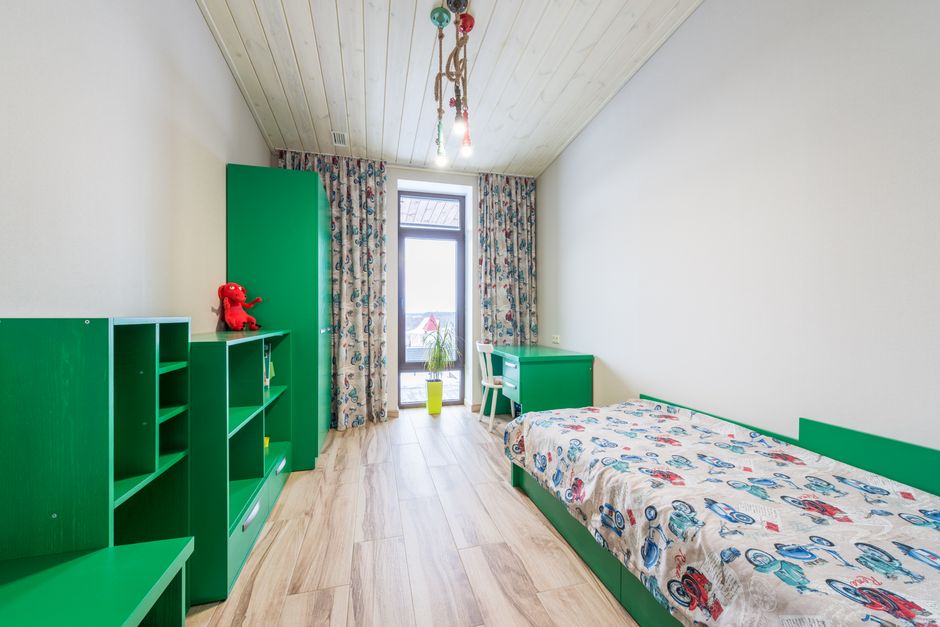
Every child is unique, and their furniture needs can vary significantly based on age, interests, and personality. For instance, a toddler’s room should prioritize safety and accessibility, featuring low-to-the-ground furniture that allows for easy access. On the other hand, a teenager may require more sophisticated pieces that reflect their evolving tastes.
According to a study conducted by the American Home Furnishings Alliance, 75% of parents believe that the right furniture can enhance their child’s imaginative play. Thus, a well-curated kids furniture store should offer a diverse range of products that cater to different age groups and developmental stages.
Moreover, incorporating educational elements into furniture design can be beneficial. For example, desks with built-in storage for art supplies can encourage creativity, while ergonomic chairs can support healthy posture during study time.
Designing an Inviting Store Layout
The layout of a kids furniture store is crucial in creating an engaging shopping experience. A well-organized store not only helps customers navigate easily but also encourages children to explore. Bright colors, playful displays, and interactive zones can make the shopping experience enjoyable for kids and their parents.
For instance, a designated play area where children can test out furniture pieces can significantly enhance the store’s appeal. Additionally, it is essential to ensure that all displays are at a child-friendly height, allowing kids to engage with the products directly.
According to the National Retail Federation, stores that incorporate experiential elements see a 30% increase in foot traffic. By creating a space that feels more like a playground than a traditional retail environment, kids furniture stores can attract more families.
Quality and Safety Standards
Safety is a paramount concern when it comes to children’s furniture. Parents want to ensure that the products they purchase are not only stylish but also safe for their children. This means that furniture should be free from harmful chemicals, have rounded edges, and be sturdy enough to withstand active play.
In recent years, there has been a significant push towards sustainable materials in furniture manufacturing. According to a report by the Sustainable Furnishings Council, 62% of parents prefer eco-friendly furniture options for their children. A kids furniture store that highlights sustainable practices will likely resonate with environmentally conscious consumers.
Furthermore, being transparent about safety certifications and quality standards can build trust with customers. Providing information on how each product meets safety regulations can reassure parents and enhance the overall shopping experience.
Innovative Trends in Kids Furniture
The kids furniture market is constantly evolving, with new trends emerging regularly. One of the most significant trends is the rise of multifunctional furniture. Pieces that serve multiple purposes, such as bunk beds with built-in desks or storage ottomans that double as seating, are becoming increasingly popular.
Another trend is the customization of furniture. Many parents are looking for ways to personalize their child’s space, and offering customizable options can set a kids furniture store apart. This could include everything from choosing colors and patterns to selecting specific features that cater to individual needs.
According to a recent survey by Furniture Today, 48% of parents expressed interest in purchasing customizable furniture for their children. By embracing these innovative trends, kids furniture stores can stay relevant and meet the changing demands of consumers.
Marketing Strategies for Kids Furniture Stores
Effective marketing is essential for any retail business, but it is particularly crucial for kids furniture stores, where the target audience is often children alongside their parents. Social media platforms like Instagram and Pinterest can be powerful tools for showcasing vibrant and playful furniture designs.
Collaborating with parenting influencers can also enhance visibility. These influencers can provide authentic reviews and reach a broader audience of potential customers. Additionally, hosting community events or workshops can create a sense of belonging and establish the store as a go-to resource for parents.
Incorporating online shopping options is also vital in today’s digital age. Providing a seamless online experience can help capture sales from busy parents who prefer shopping from home. Integrating a user-friendly website with clear product descriptions and visuals can significantly impact sales.
As part of building an engaging online presence, kids furniture stores can create content that resonates with parents. For example, sharing tips on designing a functional kids’ room or offering DIY projects can attract organic traffic to the store’s website.
Conclusion
Creating an exceptional kids furniture store experience involves understanding the unique needs of children, designing an inviting layout, ensuring safety and quality, embracing innovative trends, and implementing effective marketing strategies. By focusing on these elements, retailers can not only meet the demands of today’s parents but also foster a community that values creativity and play. For those looking to explore a wide range of options, visiting a reputable kids furniture store can provide inspiration and practical solutions for creating the perfect children’s space.