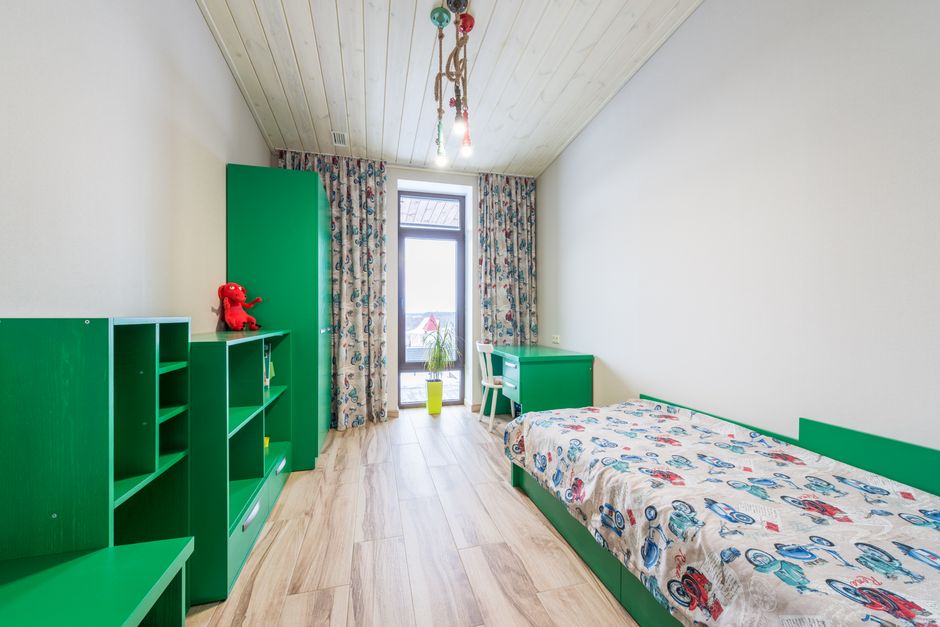










When it comes to furnishing a child’s room, parents face a unique set of challenges and opportunities. A kids furniture store is not just about providing furniture; it’s about creating an environment that reflects the child’s personality while also ensuring safety, functionality, and durability. In this article, we will explore the key aspects of a successful kids furniture store and how it can cater to the needs of both children and their parents.
Understanding the Needs of Children
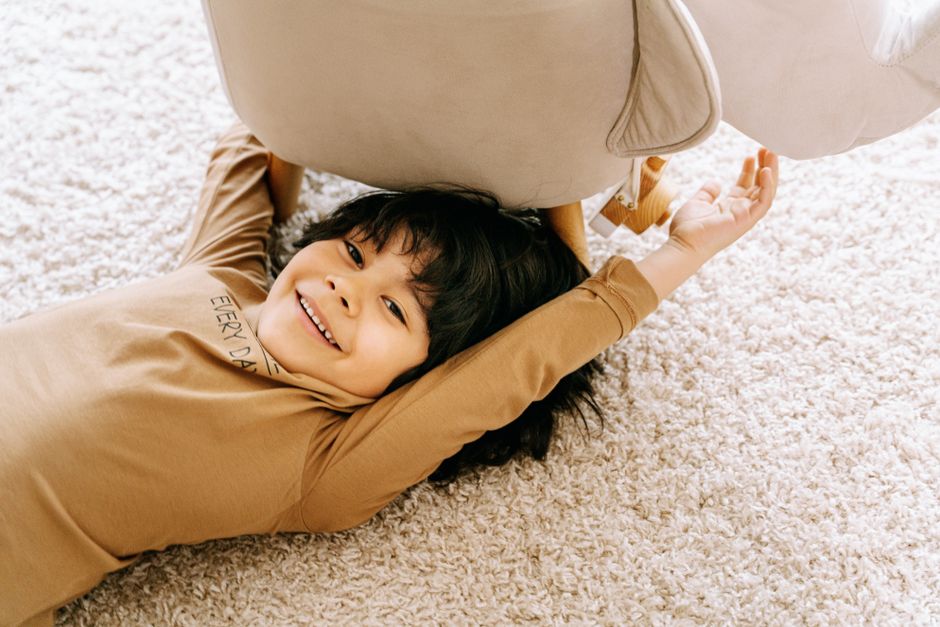
Children are not just miniature adults; they have specific needs that differ significantly from those of grown-ups. When selecting furniture, it’s essential to consider factors such as size, comfort, and usability. For instance, a chair designed for a child should be proportionate to their height and weight, providing the right level of support for their developing bodies. Additionally, colors and designs play a crucial role in a child’s room, as they can influence mood and creativity.
According to a study by the American Academy of Pediatrics, a well-furnished and organized room can improve a child’s focus and productivity. This highlights the importance of selecting furniture that not only looks good but also supports a child’s development.
Furthermore, the furniture must be durable enough to withstand the wear and tear of everyday use. This is where a reputable kids furniture store can make a significant difference, offering products that combine aesthetics with functionality.
Safety First: Choosing the Right Materials
Safety is paramount when it comes to children’s furniture. Parents are increasingly concerned about the materials used in the production of furniture, particularly regarding harmful chemicals and sharp edges. A trusted kids furniture store should prioritize safety by offering products made from non-toxic materials and featuring rounded edges to prevent injuries.
For example, many stores now offer furniture made from sustainable wood sources that are free from harmful chemicals. This not only ensures the safety of the children but also contributes to a healthier environment. Additionally, furniture that meets safety standards, such as those set by the American National Standards Institute (ANSI), should be a priority for any reputable store.
Creating Functional Spaces
Children’s rooms often serve multiple purposes, from sleeping and studying to playing and relaxing. Therefore, the furniture must be versatile and adaptable to different activities. Multi-functional furniture, such as beds with built-in storage or desks that can be adjusted as the child grows, is increasingly popular.
For instance, a loft bed can provide ample space underneath for a play area or study nook, making the most of limited square footage. A well-designed kids furniture store should showcase such innovative solutions, helping parents maximize their child’s living space.
Moreover, incorporating elements like flexible shelving units or modular furniture can encourage children to engage with their environment, fostering independence and creativity. These factors are essential for creating a functional space that can grow with the child.
The Role of Design and Aesthetics
The visual appeal of kids’ furniture cannot be overstated. Children are drawn to vibrant colors and playful designs, which can enhance their imagination and creativity. A kids furniture store should offer a variety of styles, from whimsical themes to modern minimalism, allowing parents and children to find the perfect match for their aesthetic preferences.
According to a survey conducted by Furniture Today, 68% of parents believe that the design of children’s furniture affects their child’s mood and creativity. This insight underscores the need for stores to curate collections that are not only functional but also visually engaging.
By collaborating with designers who specialize in children’s furniture, stores can offer unique pieces that stand out in the market. This not only attracts customers but also establishes the store as a go-to destination for quality kids’ furniture.
Shopping Experience: Convenience and Customer Support
A seamless shopping experience is crucial for parents who are often pressed for time. A kids furniture store should aim to create an environment that is not only inviting but also efficient. This includes providing clear information, easy navigation, and helpful staff who can guide parents through their purchasing decisions.
Moreover, online shopping has become increasingly popular, especially in the wake of the pandemic. A robust online presence with an easy-to-use website can enhance customer experience. Offering features such as virtual room planning tools or augmented reality applications can help parents visualize how the furniture will look in their child’s room.
Additionally, excellent customer support is vital. Parents appreciate stores that offer easy return policies and warranties on their products. This reassurance can make a significant difference in their purchasing decision.
Conclusion
In conclusion, a successful kids furniture store must prioritize safety, functionality, and design while providing an exceptional shopping experience. By understanding the unique needs of children and offering products that cater to these needs, stores can create a loyal customer base. Furthermore, with the ongoing trends towards sustainability and innovation, the future of kids’ furniture looks promising. For those seeking to explore a diverse range of options, visiting a well-stocked kids furniture store can be a rewarding experience.