










In recent years, the luxury brand reselling market has experienced significant growth, transforming the way consumers approach high-end fashion and accessories. As sustainability becomes a crucial part of consumer behavior, many are turning to second-hand luxury items as a viable alternative to new purchases. This article delves into the dynamics of the luxury brand resale market, exploring its rise, the platforms that facilitate it, and tips for both buyers and sellers.
The Rise of the Luxury Resale Market
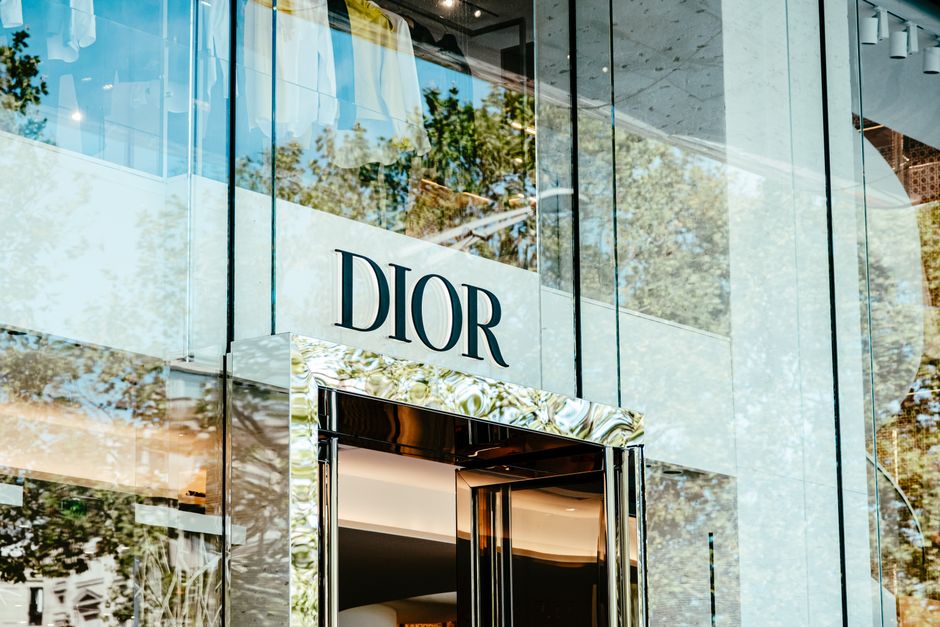
The luxury resale market has surged in popularity, with reports indicating that it could reach a value of $64 billion by 2024. This growth is driven by a combination of factors, including the increasing popularity of sustainability, the desire for unique fashion pieces, and the accessibility of online resale platforms. Consumers are no longer hesitant to buy pre-owned luxury items; in fact, they often seek them out.
Notably, brands such as Gucci, Louis Vuitton, and Chanel have become staples in the resale market. These brands not only maintain their value over time but often appreciate, making them attractive purchases for savvy shoppers. Additionally, younger generations, particularly millennials and Gen Z, are more inclined to purchase second-hand luxury products, further fueling the market’s expansion.
As a result, many luxury brands have begun to acknowledge this trend, with some even launching their own resale initiatives. This shift indicates a significant change in consumer mindset, where buying pre-owned luxury is seen as a fashionable and responsible choice.
Key Platforms for Reselling Luxury Brands
Several platforms have emerged as key players in the luxury resale market, offering consumers a convenient way to buy and sell high-end items. Websites like The RealReal, Vestiaire Collective, and Poshmark have gained traction, providing a space where luxury enthusiasts can find authenticated second-hand products.
The RealReal, for instance, stands out for its rigorous authentication process, which ensures that every item sold is genuine. This level of trust is crucial in the luxury market, where counterfeit products can undermine consumer confidence. Additionally, platforms like Vestiaire Collective promote a community-driven approach, allowing users to engage with one another and share their passion for luxury fashion.
Moreover, the rise of social media has also played a pivotal role in the resale market’s growth. Instagram and Facebook marketplaces enable sellers to reach a broader audience, and influencers often showcase their pre-owned luxury finds, further normalizing the practice of buying second-hand luxury items.
Tips for Buying Luxury Resale Items
For those interested in purchasing luxury items through reselling platforms, there are several tips to ensure a successful transaction. First and foremost, research is essential. Buyers should familiarize themselves with the specific brand, item details, and current market prices to avoid overpaying.
Additionally, it is vital to examine the seller’s ratings and reviews. High ratings and positive feedback from previous buyers can indicate a trustworthy seller. Furthermore, always look for detailed product descriptions and multiple high-quality images, as these can help assess the item’s condition and authenticity.
Finally, don’t hesitate to ask the seller questions. Inquiring about the item’s history, any signs of wear, and the reason for selling can provide valuable insights and aid in the decision-making process.
Tips for Selling Luxury Items
Selling luxury items can also be a rewarding endeavor, but it requires careful consideration. First, sellers should ensure that their items are in excellent condition. Cleaning and repairing items, if necessary, can significantly increase their resale value.
When listing items on resale platforms, high-quality photos are essential. Potential buyers want to see every detail, so consider photographing the item from various angles and highlighting any unique features. Clear and honest descriptions can also help build trust with potential buyers.
Finally, pricing the item correctly is crucial. Research similar items on the platform to gauge a competitive price point. Keep in mind that setting a slightly lower price can attract more buyers, especially in a crowded market.
Conclusion
The luxury brand resale market is a fascinating intersection of fashion, sustainability, and savvy consumerism. As more individuals embrace the idea of buying pre-owned luxury items, both buyers and sellers can benefit from the growing number of platforms and resources available. Whether you are looking to refresh your wardrobe with unique luxury finds or sell items from your collection, understanding the market dynamics and best practices can lead to a rewarding experience. Embracing the role of a luxury brand reseller can not only promote sustainable fashion but also open up new opportunities in the world of high-end fashion.