










When a crime occurs, the aftermath can be chaotic and overwhelming. Beyond the emotional toll on victims and their families, there is a significant responsibility to clean and restore the scene. Crime scene cleanup is a critical process that requires specialized skills and knowledge. This article delves into the importance of crime scene cleanup, the challenges involved, and what you need to know about the process.
What is Crime Scene Cleanup?
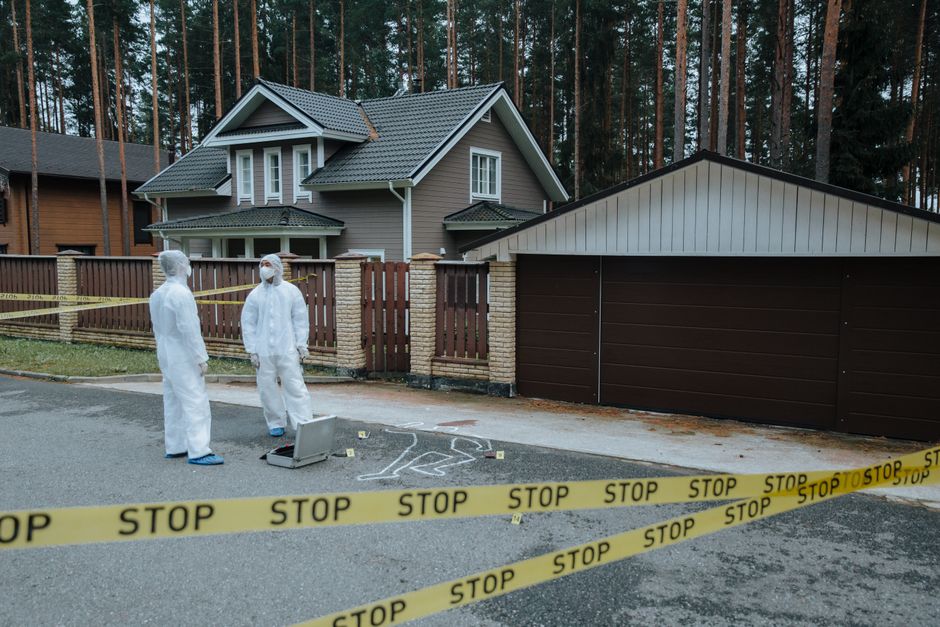
Crime scene cleanup involves the removal of hazardous materials and the decontamination of areas where violent crimes or accidents have taken place. This work is often performed by professionals trained to handle biohazardous materials, including blood, bodily fluids, and other potentially harmful substances. The primary goal is to restore the site to a safe and habitable condition, allowing for healing and closure for those affected.
Typically, crime scene cleanup is necessary after homicides, suicides, and unattended deaths. According to the CDC, over 47,000 suicides were reported in the United States in 2019, highlighting the need for trained cleanup services in such tragic situations. Not only does this work involve cleaning, but it also requires an understanding of local laws and regulations regarding biohazard disposal.
The Challenges of Crime Scene Cleanup
One of the major challenges in crime scene cleanup is the emotional weight it carries. Cleaners often encounter distressing scenes and must navigate the emotional responses of affected family members. This requires not only technical skills but also compassion and understanding. Professional cleanup services are trained to handle these situations delicately, providing support to grieving families while ensuring a thorough job.
Additionally, the physical demands of the job cannot be overlooked. Cleanup crews must wear protective gear to avoid exposure to hazardous materials, and the process can often be labor-intensive. For instance, cleaning up after a violent crime might involve removing flooring, walls, or even furniture that has been contaminated, necessitating specialized equipment and thorough training to handle safely.
The Process of Crime Scene Cleanup
The crime scene cleanup process typically begins with an assessment of the scene. Professionals evaluate the extent of the contamination and identify what materials need to be removed. This initial assessment is crucial to developing a cleanup plan that adheres to health and safety regulations.
Following the assessment, the cleanup team will begin the process of removing hazardous materials. This often includes using specialized cleaning agents and equipment designed for biohazard situations. For example, they may use enzyme-based cleaners that eliminate biological material on contact. After the visible cleanup is complete, the area is often tested for any remaining contaminants to ensure safety.
After thorough cleaning, the final step involves restoring the area. Depending on the situation, this could mean repainting walls or replacing flooring to return the space to its original condition. This step is vital, as it helps the victims’ families to reclaim their space and begin the healing process.
Why You Should Hire Professionals
While some may consider handling crime scene cleanup themselves, it is crucial to understand the risks involved. Not only can improper cleaning lead to health hazards, but it can also impede investigations by law enforcement. Professionals trained in crime scene cleanup are equipped with the knowledge and skills to handle these sensitive situations effectively and legally.
Furthermore, professional services often provide support that goes beyond just cleaning. Many offer counseling resources or referrals to help families cope with their loss. This holistic approach ensures that families receive the support they need during one of the most challenging times in their lives.
Conclusion
Crime scene cleanup is a vital service that plays an essential role in restoring safety and dignity in the aftermath of a tragedy. It requires not only technical expertise but also emotional intelligence and compassion. By understanding the complexities involved in this work, we can better appreciate the professionals who dedicate themselves to this challenging yet crucial field. Whether dealing with the aftermath of a crime or an accident, crime scene cleanup teams provide a necessary service that allows individuals and communities to heal.