










In recent years, the popularity of drones has skyrocketed, leading to increased interest in becoming a certified drone pilot. Whether for recreational use or professional applications, understanding the certification process is crucial. This article delves into what drone pilot certification entails, the steps involved, and its significance in today’s tech-savvy world.
Understanding Drone Pilot Certification
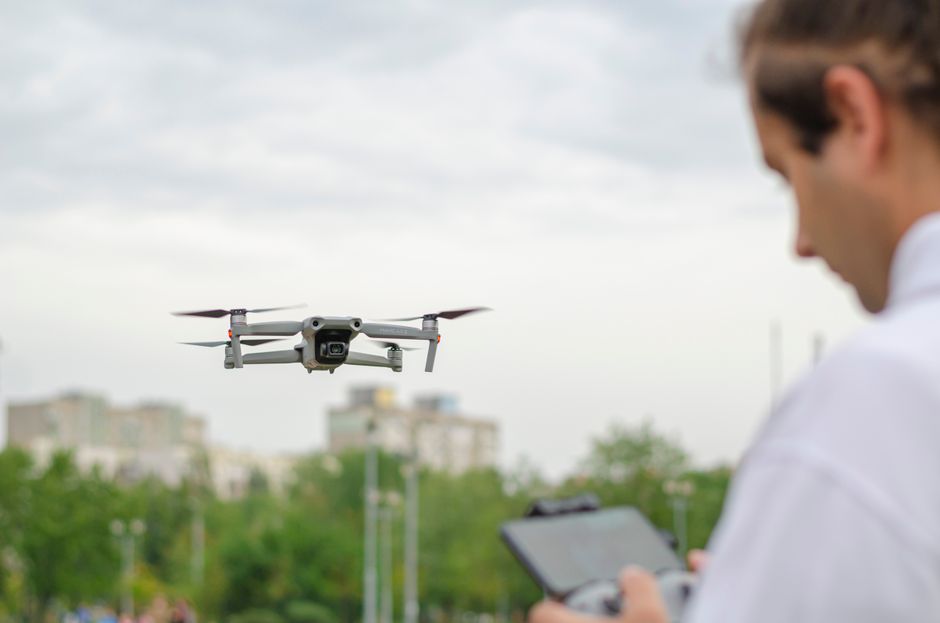
Drone pilot certification is a process through which individuals demonstrate their knowledge and skills in operating drones safely and responsibly. This certification is essential, particularly for those who intend to use drones for commercial purposes. Regulatory bodies around the world have established specific requirements that applicants must meet to obtain this certification.
In the United States, for instance, the Federal Aviation Administration (FAA) mandates that commercial drone operators obtain a Remote Pilot Certificate. To achieve this, candidates must pass a written knowledge test covering various topics, including airspace classification, weather, and drone operation regulations.
The Benefits of Certification
Obtaining a drone pilot certification opens up numerous opportunities for individuals. For commercial operators, it is often a legal requirement, allowing them to conduct business in various sectors, such as real estate, agriculture, and film production. Furthermore, certified pilots are recognized as professionals, which can enhance their credibility and attract more clients.
In addition, certification can lead to better job prospects. As industries increasingly adopt drone technology, employers are seeking qualified individuals who can demonstrate their skills and knowledge through certification. This trend is evident in various fields, such as surveying, construction, and emergency services.
The Certification Process
The process of obtaining drone pilot certification can vary by country, but it generally includes several key steps. First, candidates must familiarize themselves with the regulations and requirements set by their respective aviation authority. This may involve studying specific materials provided by the authority or enrolling in a preparatory course.
Once prepared, the next step is to schedule and take the required knowledge test. In many cases, this test is administered at designated testing centers. After successfully passing the test, candidates often need to complete a practical flight assessment to demonstrate their proficiency in operating a drone.
Maintaining Certification
Once certified, drone pilots must understand the importance of maintaining their certification. This may involve fulfilling specific continuing education requirements, renewing their license periodically, or staying updated on changes in regulations and technology. Regular training sessions and workshops can help pilots stay informed and ensure they operate their drones safely and effectively.
Moreover, pilots are encouraged to join professional organizations that provide resources and networking opportunities. These organizations often offer workshops, seminars, and online resources that can help pilots stay current in the rapidly evolving drone industry.
Conclusion
In summary, drone pilot certification is a vital step for anyone looking to operate drones safely and legally, particularly for commercial purposes. The benefits of certification are manifold, from enhancing job prospects to ensuring compliance with regulations. As technology continues to advance and the demand for drone services grows, becoming a certified drone pilot can unlock exciting career opportunities. For those ready to embark on this journey, the path to drone pilot certification is a crucial investment in their future.