









Summer is a season of adventure and exploration, particularly for children. One of the most exciting ways for elementary school students to engage with nature, learn new skills, and make lasting friendships is through summer camps. These camps provide a unique opportunity for kids to step outside their comfort zones, discover new interests, and develop important life skills. In this article, we will delve into the various aspects of summer camps for elementary school students, highlighting their benefits, types, and how to choose the right one for your child.
The Benefits of Summer Camps
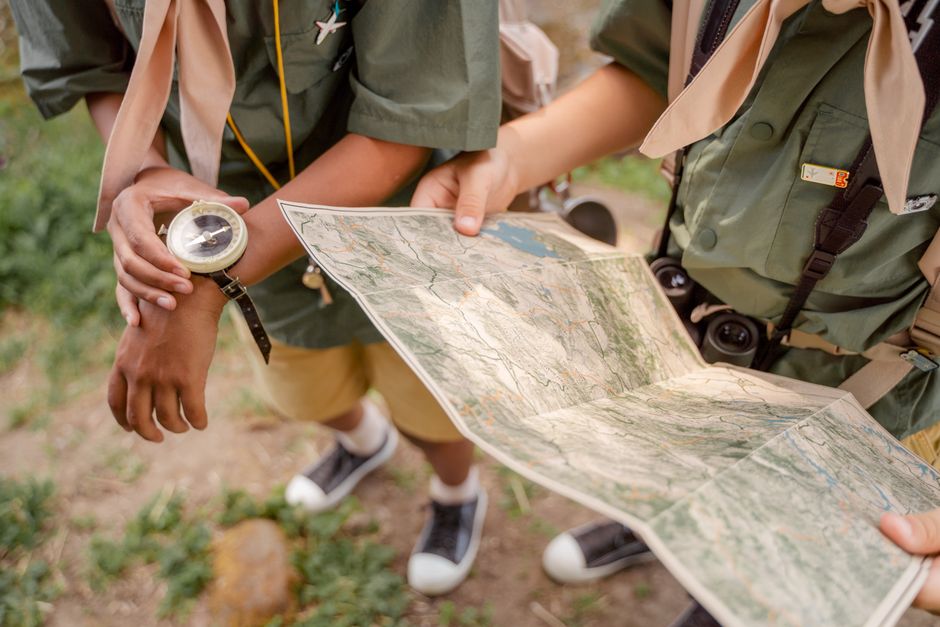
Summer camps offer a multitude of benefits for children. Firstly, they promote social interaction. Kids have the chance to meet peers from different backgrounds, which enhances their social skills and helps them build friendships. According to a study by the American Camp Association, 96% of parents noticed a positive change in their child’s social skills after attending camp.
Secondly, summer camps encourage physical activity. Many camps include outdoor activities such as hiking, swimming, and sports, which help children stay active and healthy during the summer months. The Centers for Disease Control and Prevention (CDC) recommends that children engage in at least 60 minutes of physical activity each day, and summer camps can make this easier and more enjoyable.
Additionally, camps often focus on skill development. Whether it’s learning to play a musical instrument, mastering a new sport, or developing artistic talents, summer camps provide a structured environment for children to explore their interests. This is particularly beneficial for elementary school students, as it helps them build confidence and a sense of accomplishment.
Types of Summer Camps
When it comes to summer camps, there are various types available to cater to different interests. Traditional camps typically offer a mix of activities, including arts and crafts, sports, and outdoor adventures. These camps provide a well-rounded experience, allowing children to try out different activities and discover what they enjoy the most.
Specialized camps focus on specific interests, such as science, technology, engineering, arts, and mathematics (STEAM), sports, or performing arts. For example, a child interested in science might thrive at a camp that offers hands-on experiments and outdoor exploration. Such camps can ignite a passion for a particular field and inspire future career paths.
Moreover, there are day camps and overnight camps. Day camps allow children to go home each evening, while overnight camps provide a more immersive experience, often lasting for several days or weeks. Each type has its unique advantages, and the choice depends on the child’s personality and comfort level.
Choosing the Right Camp
Selecting the right summer camp for your elementary school student can be a daunting task. It is essential to consider your child’s interests and personality. Involve your child in the decision-making process; ask them what activities they would like to try and what they hope to gain from the experience.
Research is crucial. Look for camps that have positive reviews and a good reputation. Check their safety measures, staff qualifications, and the types of activities they offer. It can also be beneficial to visit the camp beforehand or attend an open house to get a feel for the environment.
Another factor to consider is the location and cost of the camp. Ensure that it is easily accessible and fits within your budget. Many camps offer scholarships or financial aid, so don’t hesitate to inquire about these options if needed.
Preparing Your Child for Camp
Once you have chosen a summer camp, preparation is key to ensuring your child’s success. Start by discussing what to expect at camp. Explain the daily schedule, activities, and the importance of following rules and guidelines. This can help alleviate any anxiety they may feel about being away from home.
Pack appropriately for the camp. Make a checklist of necessary items based on the camp’s guidelines, including clothing, toiletries, and any special equipment needed for activities. Encourage your child to bring items that provide comfort, such as a favorite stuffed animal or a family photo.
Lastly, remind your child to keep an open mind and be willing to try new things. Encourage them to step out of their comfort zone, as this is often where they will learn and grow the most.
Conclusion
Summer camps for elementary school students offer invaluable experiences that contribute to their growth and development. From enhancing social skills to promoting physical activity and skill acquisition, the benefits are immense. With a wide variety of camp types available, parents can find a camp that aligns with their child’s interests and personality. By thoroughly researching options and preparing your child for the experience, you can ensure that they have a summer full of fun, learning, and adventure. For more information on camp programs, including options for サマーキャンプ 小学生, consider checking out local organizations that specialize in youth programs.